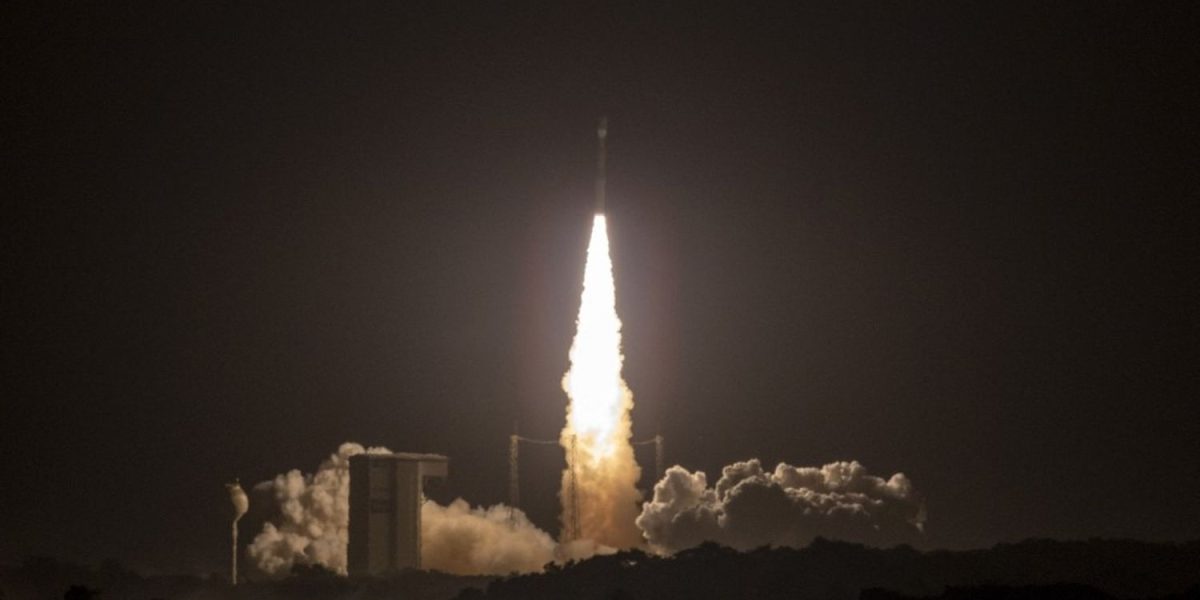
A major strategic move is taking shape on this side of the Atlantic. Finnish satellite operator Iceye has launched a €2 billion takeover offer for Avio, the Italian group that markets the Vega small-launch rocket, a complement to Ariane. The deal, if completed, would create a new European space player designed to challenge the dominance of Elon Musk’s SpaceX.
A Fully Integrated Space Company
The ambition behind the acquisition is to build an actor capable of mastering the entire value chain — from the design and manufacture of satellites to the construction of launch vehicles, while also commercializing services such as the analysis of data collected in space and satellite imagery.
Iceye — literally “ice eye” — is already a significant presence in military intelligence through its Earth-observation satellites, supplying data notably to the Ukrainian army.
Why Europe Needs More Launch Capacity
Europe already has Arianespace to launch its satellites, so why create another operator of this kind? The answer lies in limited capacity. The new-generation Ariane 6 rocket can carry out no more than ten launches per year, while the Vega-C launcher is capped at four.
Yet a surge in launches is expected between the end of this decade and the early 2030s, driven by:
- The Galileo GPS system
- The Copernicus Earth-observation programme
- German military satellites
- The deployment of a sovereign space-internet constellation
In short, Europe lacks satellite launchers, both civil and military.
A Flexible, Responsive Challenger
The new European player would therefore serve as a complementary operator to strengthen Europe’s satellite launch capabilities. By planning to acquire Italy’s Avio, Iceye intends to give birth to an integrated company that is more flexible and responsive — modelled on what Elon Musk built in the United States with SpaceX.
Rome’s Approval Still Needed
The project still needs to convince the Italian government, which holds part of Avio’s capital and could view the deal as a strategic loss for Italy. However, it already enjoys the full support of Josef Aschbacher, director general of the European Space Agency, who described it on X as a “strategically significant move for the European space sector.”