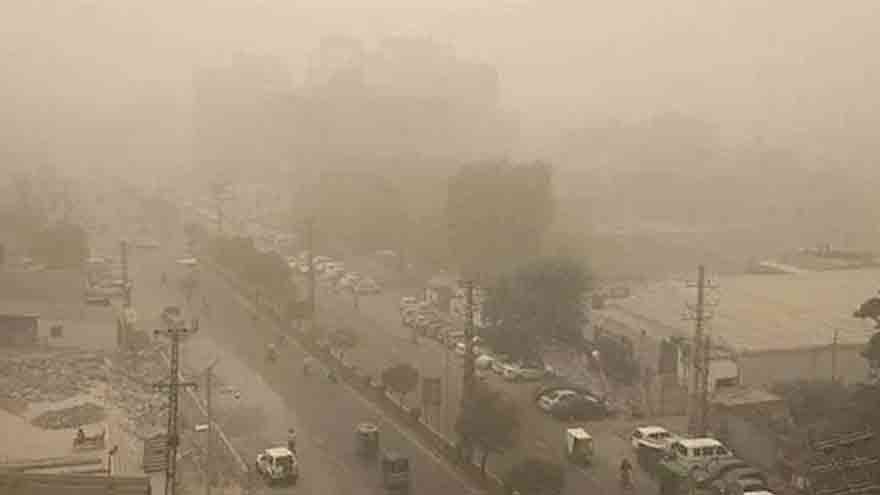
Lahore has once again claimed the unwanted title of the world’s most polluted city, as hazardous smog continues to blanket the metropolis and drive a surge in pollution-related illnesses among residents.
Air Quality Hits Alarming Levels
The city’s overall Air Quality Index (AQI) was recorded above 260, placing it at the top of global pollution rankings. The situation was even more severe in the Gulberg II area, where the AQI exceeded 360, making it the worst-affected neighborhood in the city.
An AQI reading above 300 is widely classified as hazardous, with health authorities warning that such levels pose serious risks to the entire population, particularly children, the elderly, and those with pre-existing medical conditions.
Residents Suffer as Smog-Related Illnesses Rise
Citizens across the city are reporting a range of health complaints linked to the persistent air pollution, including breathing difficulties, eye irritation, and throat infections. Hospitals and clinics have seen a growing number of patients seeking treatment for respiratory and related ailments.
Health experts have urged residents to take precautionary measures, advising the use of face masks and avoiding unnecessary outdoor activity to limit exposure to the harmful effects of smog.
No Relief in Sight
The Meteorological Department has ruled out the possibility of rain in the coming days, dashing hopes that precipitation might help clear the thick layer of pollutants hanging over the city.
According to weather officials, the city’s minimum temperature was recorded at 13 degrees Celsius, while the maximum temperature is expected to reach 27 degrees Celsius today. The dry conditions and calm winds are likely to allow pollution levels to remain elevated.
Growing Environmental Crisis
Lahore’s recurring status as the world’s most polluted city highlights a deepening environmental and public health crisis. The smog, largely attributed to vehicular emissions, industrial activity, and seasonal crop burning, has become an annual ordeal for the city’s more than 13 million residents.
Authorities continue to face pressure to implement lasting solutions, while residents are left to navigate yet another season of toxic air with little more than masks and warnings to stay indoors.