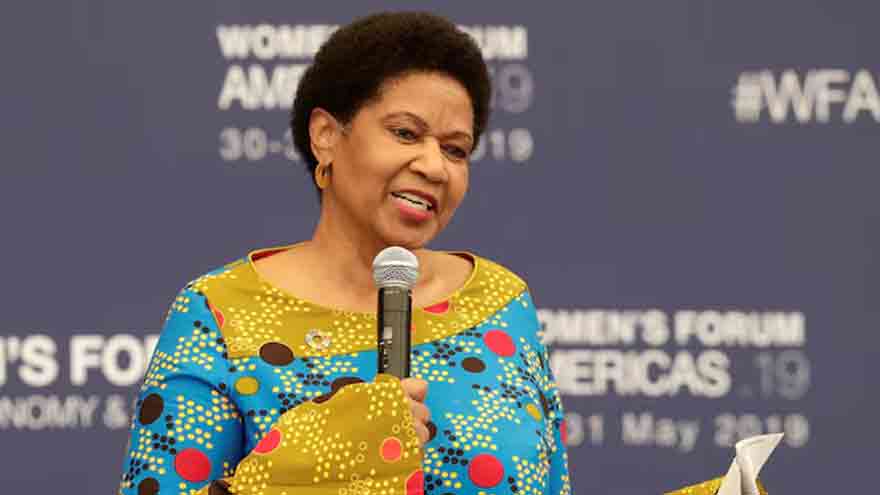
Phumzile Mlambo-Ngcuka, who broke barriers as South Africa’s first female deputy president and later led UN Women on the global stage, has died at the age of 71, the presidency announced late on Friday.
Her death marks the passing of a figure whose career spanned the birth of South Africa’s democracy and the international fight for gender equality.
A Life in Public Service
A former teacher, Mlambo-Ngcuka was elected to parliament in 1994 as part of South Africa’s first democratic government. She went on to serve as deputy minister in the Department of Trade and Industry before taking charge of the ministry of minerals and energy.
In 2005 she was appointed deputy president, a post she held until 2008. In that role she oversaw government initiatives aimed at reducing poverty, with a particular emphasis on improving the lives of women.
Leadership at the United Nations
Mlambo-Ngcuka’s influence extended well beyond South Africa’s borders. In August 2013 she took the oath of office as executive director of UN Women, the body created to lead the United Nations’ work on advancing gender equality and women’s empowerment.
She served two terms at the helm of the organization, becoming one of the most prominent voices in the global campaign for women’s rights.
A Lasting Legacy
Her career traced an arc from the classrooms of apartheid-era South Africa to the highest levels of international diplomacy. Tributes are expected to pour in from across the political and diplomatic spectrum as the country reflects on the loss of a pioneering leader.
- 1994: Elected to parliament in South Africa’s first democratic government
- Deputy minister in the Department of Trade and Industry
- Minister of minerals and energy
- 2005–2008: Deputy president of South Africa
- 2013: Sworn in as executive director of UN Women, serving two terms