Ukraine’s foreign minister has defended a weekend maritime drone attack on a Russian naval vessel and cargo ship in Libyan waters as a legitimate act of self-defense, pushing back against sharp criticism from Libya’s internationally recognized government.
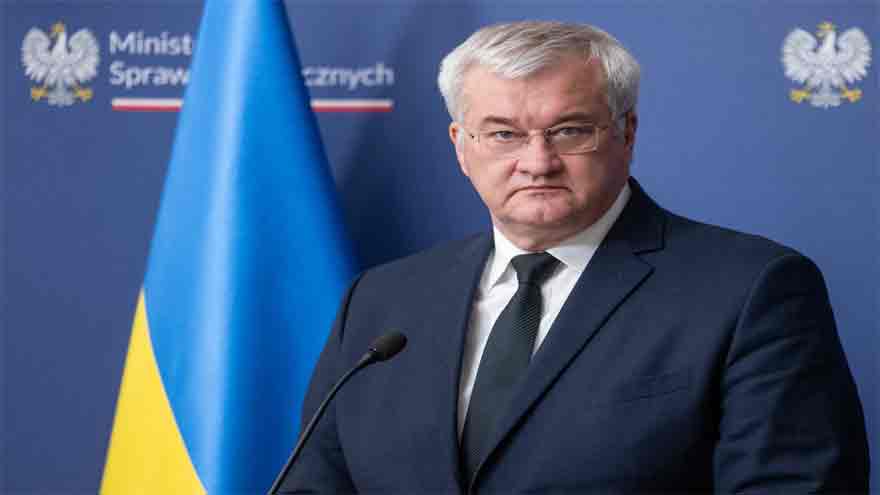
Foreign Minister Andrii Sybiha said Russian naval vessels and cargo ships transporting military equipment are valid targets, and that Ukraine’s right to self-defense is enshrined in Article 51 of the United Nations Charter.
Tripoli Condemns Operation
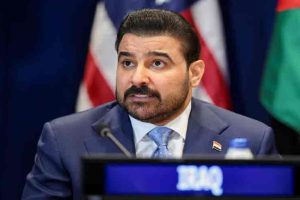
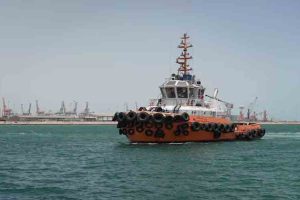
Libya’s Western-backed Government of National Unity in Tripoli condemned the operation on Monday, which sank the Russian naval corvette Merkury in the eastern port of Benghazi. The government said Libya would not accept being drawn into the Russia-Ukraine conflict.
“Ukraine is not ‘dragging’ anyone into the war or ‘transferring’ the war anywhere,” Sybiha said on the Telegram messaging app.
“Ukraine respects the sovereignty and territorial integrity of Libya. We emphasize that Ukraine’s actions are aimed at countering Russian armed aggression and are not intended to harm Libya or its people.”
A Divided Country
Libya remains split following its civil war. The country’s east is controlled by military commander Khalifa Haftar, whose Libyan National Army maintains ties with Russia. The internationally recognized Government of National Unity controls western Libya, though local armed groups wield considerable power on the ground.
The Libyan National Army General Command said on Tuesday that two of its military personnel had died from injuries sustained in the attack on Benghazi port. It added that its response to the strike would come “at the appropriate time and place.”
Legal Justification Contested
Sybiha argued that international law does not limit the right to self-defense to the territory where aggression takes place, saying the right can also be exercised on the territory of the aggressor or in international waters. He said Russia was the party endangering third countries by using their civilian infrastructure for military purposes.
The Institute for the Study of War said the Russian naval corvette had stopped over for several days at Benghazi port to refuel and resupply under a cooperation agreement, while escorting cargo ships capable of carrying military supplies to Russia.
The eastern government in Benghazi said on Monday there were indications the naval drones were launched from western Libya and asked the UN to investigate allegations that Ukraine has deployed military experts there.
Two Libyan security officials told Reuters in March that Ukrainians were present in western Libya, providing training to forces affiliated with the Tripoli government while also carrying out operations against Russian targets.
On Tuesday, the Tripoli government said it would not allow Libyan territory to be used as a launchpad for hostile acts, adding that the weekend’s attack demonstrated the risk of hosting foreign forces “outside the authority of the state,” without providing further details.
Russia’s defense ministry has not commented publicly on the attack.
Second Strike Confirmed
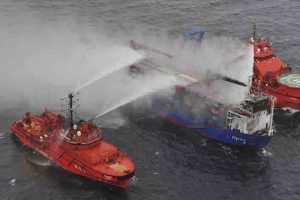
In an interview published on Tuesday, Ukrainian President Volodymyr Zelenskiy confirmed that Ukraine was responsible for a separate drone strike on Saturday against a Russian cargo vessel in the international waters of the Gulf of Finland.
He said the vessel, Sparta II, was a legitimate target because it was carrying weapons. Russia’s Transport Ministry said on Tuesday that the damaged vessel had been towed back to the Russian port of St Petersburg.