A year after widespread demonstrations over the high cost of living, Martinique has again been rocked by protests, roadblocks, and violent clashes. The French overseas territory is experiencing renewed unrest as demonstrators demand action on persistently high food prices and broader institutional changes.
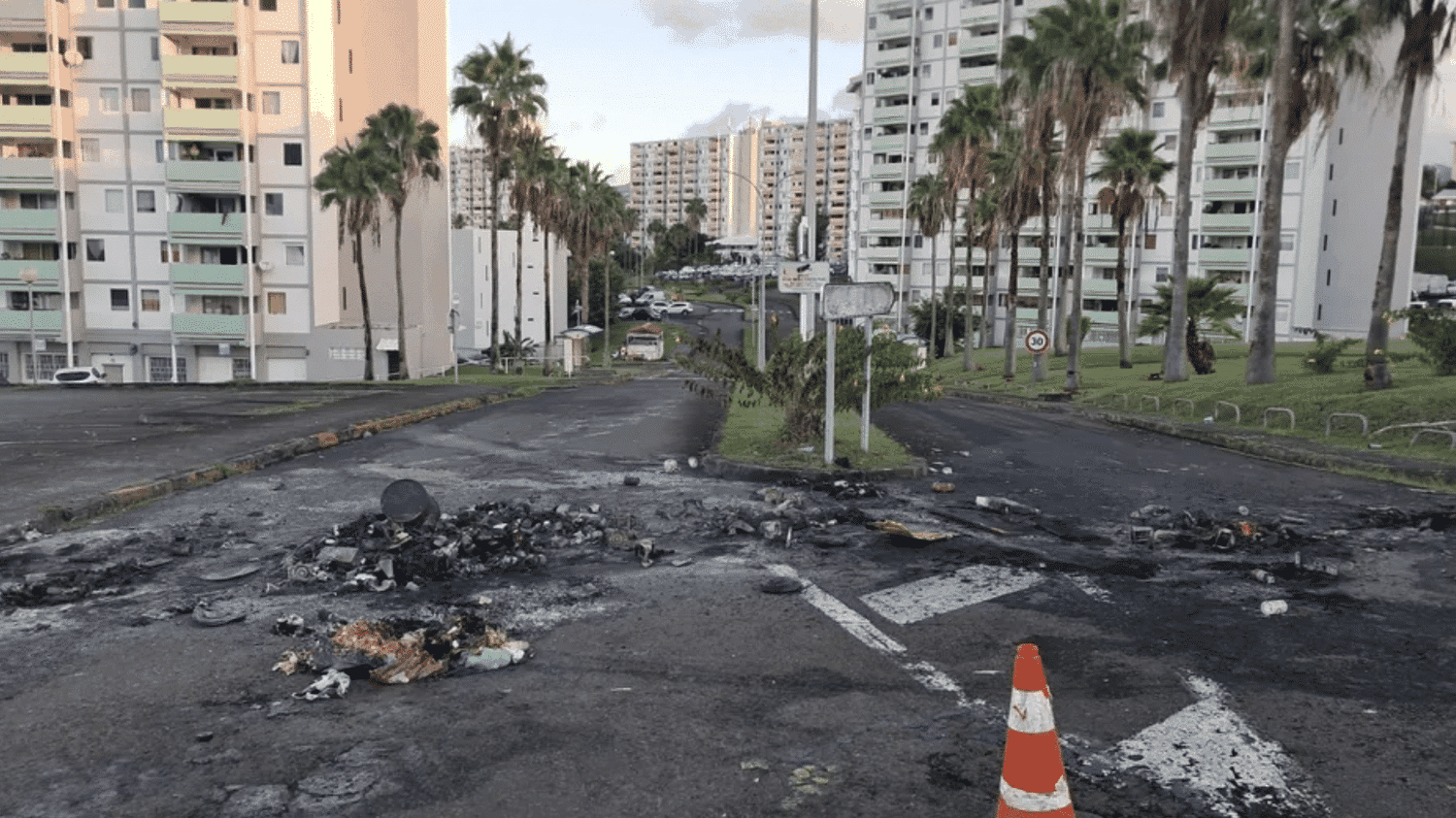
Protesters have erected barricades in several neighborhoods, including Fort-de-France and Schoelcher, with some incidents escalating into violence. According to local authorities, five gendarmes were injured by lead pellet fire during patrols aimed at securing roadways. In response, Interior Minister Bruno Retailleau announced the deployment of two additional mobile gendarmerie squadrons to reinforce security on the island.
The protests are largely driven by economic frustration. Official figures indicate that food prices in Martinique are approximately 40% higher than in mainland France. Although the government recently promoted a 10.8% price reduction on certain supermarket items, consumer groups remain skeptical, arguing that the measures do not reflect reality for most residents.
Beyond economic grievances, some groups—including the RPPRAC (Rally for the Protection of Afro-Caribbean Peoples and Resources)—are also calling for a referendum on Martinique’s political status, adding a constitutional dimension to the protests.
Local officials have drawn a distinction between daytime demonstrators and nighttime agitators, whom they describe as armed individuals with alleged ties to delinquency and looting. A resident of the Ozanam Batelière district reported seeing masked, armed youth who appeared intoxicated, while others pointed to high youth unemployment and social neglect as underlying causes of the unrest.
The recent turmoil follows a visit by the Interior Minister two weeks earlier, during which he pledged additional resources to combat drug trafficking and criminality in the Antilles, which he described as “exceptional” in scale.
As tensions continue, authorities insist they are committed to restoring order while acknowledging the deeper social and economic challenges fueling the discontent.