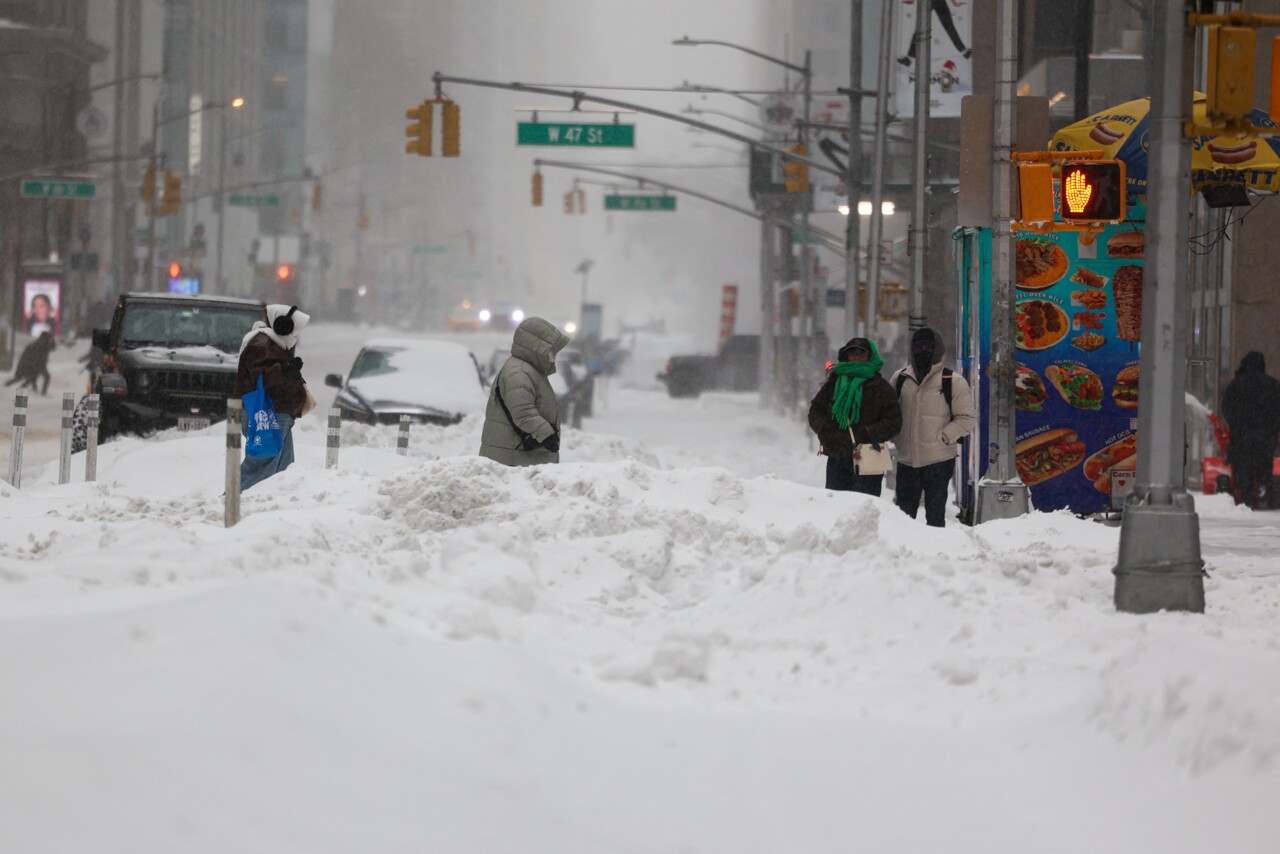
Catastrophic Conditions Claim Lives and Cripple Infrastructure
A historic winter storm, described by meteorologists as one of the worst in decades, continues to batter North America. The system has claimed at least eleven lives in the United States, plunged over one million homes and businesses into darkness, and triggered widespread travel chaos. States from Texas to the Northeast, along with Washington D.C., have declared states of emergency as the storm delivers a brutal mix of heavy snow, ice accumulation, and life-threatening cold.
Human Toll and Urban Crisis
The human impact is severe. In New York City, authorities reported five individuals found dead outdoors over the weekend amid freezing temperatures. Mayor Zohran Mamdani highlighted the extreme danger of the cold, particularly for vulnerable populations like the homeless. Other fatalities were confirmed in Texas, including a 16-year-old girl in a sledding accident, and in Louisiana, where two people died from hypothermia.
Massive Power Outages and Travel Standstill
The storm’s icy grip has crippled power grids, especially in southern states less accustomed to such severe winter weather. As of Sunday evening, approximately 840,000 customers remained without electricity, with Tennessee, Louisiana, Mississippi, and Georgia experiencing the most significant outages due to downed power lines. Travel has been brought to a near halt, with over 19,000 U.S. flights canceled since Saturday and major airports in Washington, Philadelphia, and New York severely impacted. Authorities across affected regions are urging residents to avoid all non-essential travel.
Scientific Context and Political Reaction
Meteorologists link the storm to a southward distortion of the polar vortex. While scientific debate continues, some experts associate the increasing frequency of such disruptions with climate change. The severe conditions prompted a response from former President Donald Trump, who used the event to reiterate his climate skepticism on his Truth Social platform, questioning the status of global warming.
Ongoing Threat and Frigid Forecast
The immediate danger is far from over. The National Weather Service warns of additional snow, sleet, and freezing rain as the storm moves northeast. More critically, a prolonged period of potentially deadly cold is expected to follow the system, with wind chills in the Northern Plains and central U.S. potentially plummeting to -45°C (-49°F)—conditions that can cause frostbite in minutes. Officials continue to monitor the situation and urge the public to prioritize safety and warmth.