Contradictory Claims Emerge Amid Political Tensions
The Sindh government has firmly denied claims by the Muttahida Qaumi Movement-Pakistan (MQM-P) that security for its leaders and lawmakers was withdrawn, dismissing the allegations as “false narrative and negative propaganda.” This dispute arises amidst heightened political friction following the tragic Gul Plaza fire in Karachi.
Official Denials and Accusations of Propaganda
Sindh Home Minister Ziaul Hassan Lanjar stated that security provided under legal protocols remains intact and has not been revoked. “Those provided protection in view of the law and security considerations continue to receive it,” Lanjar told Geo News. Echoing this, Sindh government spokesperson Sumeta Afzal Syed asserted that entitled individuals retain full security and labeled MQM-P’s statements as political maneuvering.
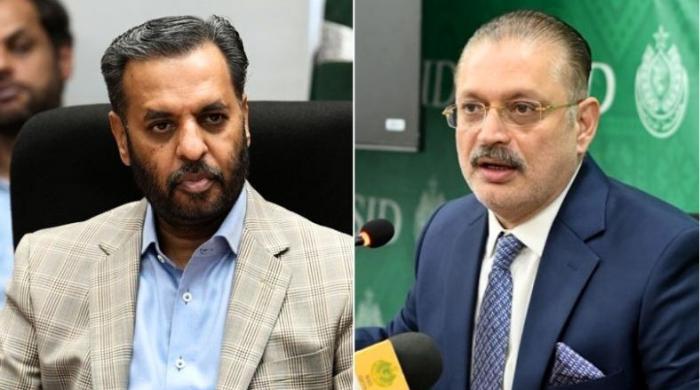
Senior Sindh Minister Sharjeel Inam Memon addressed the broader context, calling the Gul Plaza blaze a national tragedy and denying any punitive actions. “The government is not harming anyone,” Memon said, attributing the controversy to a “rumour” spread for propaganda purposes.
MQM-P Leaders Insist on Retaliatory Motive
In contrast, MQM-P leaders maintain that security was indeed withdrawn as retaliation for their criticism of the Sindh government’s handling of the Gul Plaza incident. Federal Health Minister and MQM-P leader Mustafa Kamal confirmed the withdrawal of his security, condemning it as an intimidation tactic. “The authorities believe withdrawing security will intimidate us, but I reject this notion,” Kamal stated.
MQM-P leader Syed Aminul Haque alleged that the security of multiple leaders, including Farooq Sattar and Anis Kaimkhani, was pulled following their public criticism. “The Sindh government is in a state of panic after the criticism,” Haque claimed, vowing that the party would not be silenced and is considering street protests.
Security Reportedly Restored Amid Ongoing Dispute
Despite the public denials, sources indicate that security has been restored to several MQM-P figures, including Khalid Maqbool Siddiqui, Mustafa Kamal, Farooq Sattar, and Anis Kaimkhani. There are also reports of efforts to reinstate security for Sindh Assembly opposition leader Ali Khurshidi following contact from a Pakistan Peoples Party (PPP) leader.
Broader Political Context and Karachi Governance
The conflict underscores the tense relationship between MQM-P, which is part of the federal ruling coalition but sits in opposition in the Sindh Assembly, and the provincial government led by the PPP. Kamal escalated the rhetoric by questioning the provincial administration’s right to govern Karachi, suggesting the federal government could take control under Article 148 of the Constitution to restore order.
As both sides trade accusations, the incident highlights the volatile political landscape in Sindh, where governance failures and tragedy response continue to fuel partisan disputes.