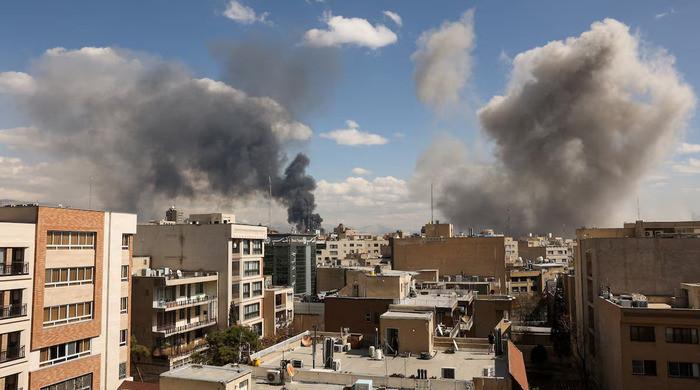
The conflict between the United States, Israel, and Iran has intensified, with new military actions and stark warnings reshaping the regional landscape. Israeli Prime Minister Benjamin Netanyahu claims “historic gains” against Iran, while Tehran’s Revolutionary Guards assert control over a critical global oil chokepoint.
Iranian General Vows Protracted War
Iranian General Kioumars Heydari has declared that the duration of the conflict is irrelevant to Tehran. Citing the experience of the eight-year Iran-Iraq War, Heydari stated Iran “will not abandon this war” until it achieves its objectives and makes the enemy “regret and despair.” This statement underscores a commitment to a prolonged confrontation despite international calls for de-escalation.
IRGC Claims Attack on US Tanker, Controls Hormuz
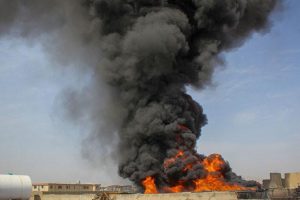
In a significant escalation, Iran’s Islamic Revolutionary Guard Corps (IRGC) announced it struck a US tanker in the northern Gulf, leaving the vessel on fire. More critically, the IRGC declared that during wartime, passage through the Strait of Hormuz—a vital conduit for about a fifth of the world’s oil—will be under the control of the Islamic Republic. This threat directly impacts global energy security and maritime trade.
Iran Targets Kurdish Border Groups
Iran’s intelligence ministry reported targeting posts of “separatist groups” intending to enter through its western borders, inflicting what it called heavy losses. The ministry alleged these Kurdish militias had consulted with the US about attacking Iranian security forces, framing the operation as thwarting an “Israeli-American” plan. Iran claims it is cooperating with local “noble Kurds” against this perceived threat.
US Pledges Support, Senate Rejects War Powers Limit
US Secretary of Defense Pete Hegseth, in talks with Israeli Defense Minister Israel Katz, urged Israel to “keep going until the end,” reaffirming unwavering American support. This backing comes as the US Senate rejected a bid to limit former President Trump’s war powers concerning Iran, reflecting a firm legislative stance alongside military partnership.
International Reactions and Regional Fallout
The crisis has triggered widespread international concern:
- Oman: Called for an “end to war” and emphasized citizens’ human right to safety.
- Indonesia: Foreign Minister Sugiono held calls with Saudi Arabia and the UAE, urging restraint, respect for sovereignty, and de-escalation.
- India: Faced domestic political criticism, with the opposition slamming Prime Minister Modi for “surrendering strategic autonomy.”
- Pakistan: Announced it is not suspending port entries despite the security situation.
Iran also formally denied Turkish media reports that it had fired a missile towards Turkiye, attempting to manage regional diplomatic tensions.
As military posturing continues and control over strategic waterways is threatened, the path to de-escalation appears fraught, setting the stage for a potentially prolonged and destabilizing regional conflict.