Youth-Led Movement Propels Political Outsider to Power
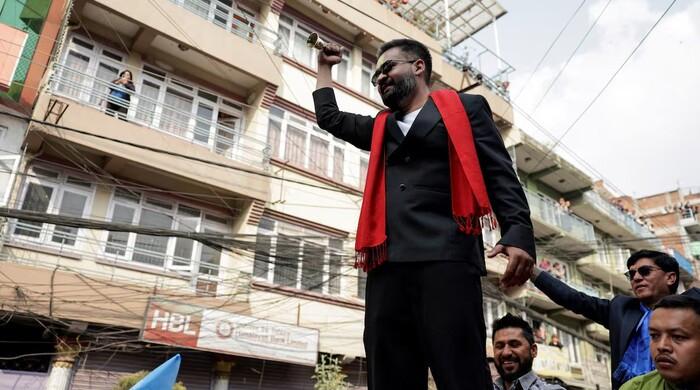
Balendra Shah, the 35-year-old rapper-turned-politician popularly known as “Balen,” is on the verge of becoming Nepal’s next prime minister. His Rastriya Swatantra Party (RSP) has taken a commanding lead in the country’s first general election since a deadly youth uprising last September, signaling a dramatic shift away from the nation’s traditional political elite.
A Social Media Phenomenon
Shah’s rise has been fueled by a direct, social media-driven connection with Nepal’s youth. With over 3.5 million followers online, he has largely bypassed the mainstream press, posting terse messages that resonate with a generation frustrated by unemployment and corruption. Following the September uprising that claimed 77 lives and ousted former Prime Minister KP Sharma Oli, Shah wrote to his followers: “Dear Gen Z, the resignation of your killer has come. Now your generation will have to lead the country. Be prepared.”
Early Results Show Landslide Victory
Early vote counts from Nepal’s Election Commission show the RSP leading in approximately 100 of the 165 directly elected parliamentary seats, far ahead of established rivals like the Nepali Congress, which has already conceded defeat. Final results for the 275-member parliament are expected within days.
“Balen Shah is so popular that now buses coming to Kathmandu have stickers on them saying, ‘Headed to Balen’s city’,” said Bipin Adhikari, a constitutional law expert at Kathmandu University.
From Engineering and Rap to City Hall
Shah first entered the public sphere as a rap star, with lyrics critiquing Nepal’s ruling class. His 2019 song “Balidan” (Sacrifice) has garnered over 12 million views on YouTube. A civil and structural engineer by training, he parlayed his fame into a successful 2022 campaign for mayor of Kathmandu, where he focused on urban infrastructure and service delivery, though his tenure also faced criticism from groups like Human Rights Watch for actions against street vendors.
Ambitious Promises and Daunting Challenges
The RSP’s manifesto pledges to create 1.2 million jobs, double the economy’s size to a $100 billion GDP, and raise per capita income from $1,447 to $3,000 within five years. These promises tap into deep public frustration over poverty and forced migration for work.
Analysts caution that governing will be a formidable test. “It would not be a cakewalk for him after becoming prime minister,” said independent analyst Puranjan Acharya. He warned that Shah’s success will depend on building a competent team to tackle a corrupt and moribund administration, stating he could otherwise be “finished like wood attacked by termites.”
Reshaping Nepal’s Political Landscape
Shah’s expected ascension marks a potential transformation for the Himalayan nation, long dominated by a handful of established parties. His partnership with RSP president Rabi Lamichhane, a former TV host, represents a new breed of leadership aiming to channel the energy of last year’s uprising into tangible change.