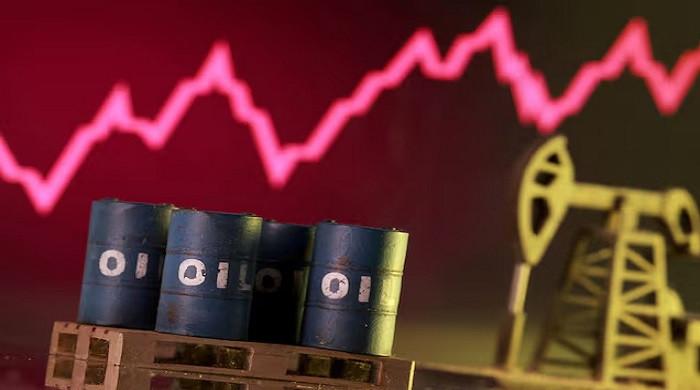
Global oil markets were thrown into turmoil on Monday, with prices skyrocketing more than 25% to their highest levels since mid-2022. The dramatic surge, potentially the largest single-day jump on record, was triggered by escalating hostilities in the Gulf that have led to the closure of the critical Strait of Hormuz and forced major producers to slash output.
Historic Price Surge and Supply Shock
Brent crude futures soared by $24.96, or 27%, to $117.65 per barrel, while U.S. West Texas Intermediate (WTI) crude futures jumped $25.72, or 28.3%, to $116.62. Earlier in the session, WTI surged as much as 31.4% to $119.48, with Brent peaking at $119.50. This follows substantial gains last week, underscoring the market’s extreme volatility.
The crisis centers on the Strait of Hormuz, a chokepoint for roughly one-fifth of the world’s seaborne oil. Disruptions to tanker traffic and heightened security risks have severely slowed shipping, leaving Asian buyers—who are heavily reliant on Middle Eastern crude—particularly vulnerable.
Major Producers Forced to Cut Output
The expanding conflict has directly impacted production. Key developments include:
- Iraq: Oil production from its main southern fields has plummeted by 70% to just 1.3 million barrels per day, as exports via the Strait of Hormuz are blocked. Officials report crude storage is at maximum capacity.
- Kuwait: The Kuwait Petroleum Corporation has begun cutting output and declared force majeure on shipments.
- Regional Threats: Iran’s attacks on oil infrastructure continue. The UAE reported a fire in the Fujairah oil zone from falling debris, while Saudi Arabia intercepted a drone heading toward the Shaybah oilfield.
Analysts warn that the United Arab Emirates and Saudi Arabia may soon also be forced to cut production as they run out of storage space.
Geopolitical Turbulence Fuels Market Fears
The appointment of Mojtaba Khamenei to succeed his father as Iran’s supreme leader has intensified market anxieties. Analysts suggest this makes the U.S. goal of regime change more difficult and signals a potential continuation of Iran’s aggressive tactics, including the Strait’s closure.
“That view accelerated buying, as Iran is expected to continue its closure of the Strait of Hormuz and attacks on other oil-producing nations’ facilities,” said Satoru Yoshida, a commodity analyst at Rakuten Securities, predicting WTI could rise to $130 a barrel.
Prolonged Impact on Global Consumers
Experts warn that consumers and businesses worldwide could face weeks or months of elevated fuel prices, even if the conflict ends quickly. Damage to facilities, disrupted logistics, and ongoing shipping risks will delay a return to normal supply.
“The next flag will be whether it eventually gets to a point where they have to start shutting in oil wells… That would potentially sustain those prices for much longer,” said Daniel Hynes, senior commodity strategist at ANZ.
Calls for U.S. Strategic Reserve Release
As prices surged, U.S. Senate Democratic Leader Chuck Schumer called on President Donald Trump to release oil from the Strategic Petroleum Reserve (SPR) to stabilize markets. “President Trump should release oil from the SPR now to… stop the price shock that American families are already feeling thanks to his reckless war,” Schumer said in a statement.
The market now watches for any sign of resumed flows through the Strait of Hormuz or diplomatic de-escalation. Until then, analysts see sustained upward pressure on global oil prices.