Key Shipments Underway as Alternative Route Activated
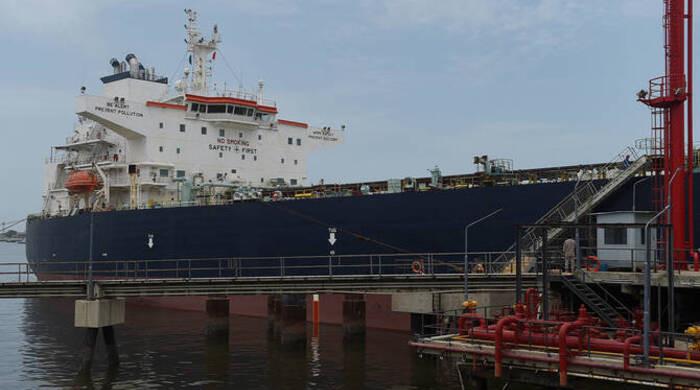
Pakistan has initiated crude oil imports through the Red Sea following the closure of the Strait of Hormuz, a critical maritime chokepoint disrupted by ongoing conflict in the Middle East, according to shipping sources. The Pakistan National Shipping Corporation (PNSC) has deployed vessels to secure shipments, with one ship loaded with 73,000 tonnes of crude oil set to depart from Saudi Arabia’s Yanbu port for Karachi on Thursday.
Immediate Impact on Shipping and Domestic Fuel Prices
The blockade at the Strait of Hormuz has severely affected global energy shipments, halting approximately one-fifth of the world’s oil and liquefied natural gas supplies. This disruption has propelled international oil prices to levels not seen since 2022, triggering a significant increase in domestic fuel costs in Pakistan. The federal government recently raised petrol and diesel prices by Rs55 per litre, with petrol now priced at Rs321.17 per litre and diesel at Rs335.86 per litre.
Current Shipping Operations and Challenges
In addition to the Yanbu shipment, the PNSC vessel Shalamar has successfully loaded oil from Fujairah port and is en route to Karachi. However, the closure has stranded two other PNSC ships near Karachi and at a charter port, highlighting the logistical challenges posed by the regional conflict. Despite these hurdles, Pakistan continues to receive fuel shipments, with four petrol-laden vessels arriving at Port Qasim on Tuesday. Approximately 37,000 tonnes of petrol have been offloaded, and an additional 50,000 tonnes are being transferred.
Global Context and Economic Ramifications
The shift to the Red Sea route underscores the broader geopolitical tensions impacting global trade corridors. The Strait of Hormuz, a narrow waterway crucial for oil exports from the Middle East, has seen shipping nearly cease since the escalation of hostilities over a week ago. This disruption not only affects Pakistan but also contributes to volatility in global energy markets, influencing economic policies and inflation rates worldwide.