Pakistan has issued a stark warning at the United Nations Security Council (UNSC), calling for an immediate halt to hostilities in the Middle East and emphasizing that only a negotiated settlement can prevent further civilian casualties and regional economic disruption.
Condemnation of Attacks and Call for Dialogue
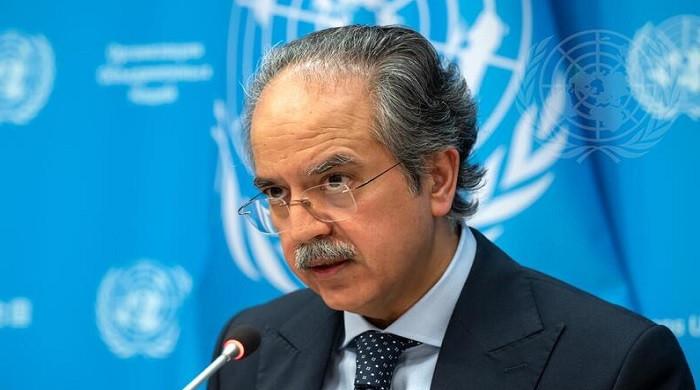
Ambassador Asim Iftikhar Ahmad, Pakistan’s Permanent Representative to the UN, told the Council that the ongoing conflict “should never have happened.” He condemned attacks on civilians and critical infrastructure, stating that violations of international law imperil peace rather than advance it. “We call for immediate and complete cessation of hostilities and return to the dialogue table,” he asserted.
Support for UN Resolutions
Addressing what he called the “sad reality” of the Council’s failure to unify, Ambassador Ahmad announced Pakistan’s support for two draft resolutions—one presented by Bahrain and another by the Russian Federation.
Pakistan’s backing of the Bahrain-led resolution signifies solidarity with Gulf Cooperation Council states and Jordan. “Our positive vote… underscores our condemnation of all the unwarranted attacks faced by them,” he said, noting it was unfortunate these nations faced attacks despite advocating for dialogue.
Similarly, Pakistan welcomed the Russian resolution, which urges restraint, a cessation of military activities, and a return to negotiations—a stance Ambassador Ahmad said is consistent with Pakistan’s position.
Direct Humanitarian and Economic Impact
The ambassador detailed the conflict’s direct consequences for Pakistan, revealing that at least two Pakistani nationals were killed in attacks on the UAE, with millions more in the region at risk.
The economic fallout is severe, disrupting essential supplies and travel. “Our fuel supplies have been seriously hampered, obliging the Government to take extraordinary measures for conserving the use of oil, gas and electricity,” he reported. “Several essential aviation links have been severed, while others face disruptions.”
Appeal for Restraint and Diplomacy
Reiterating the need for a diplomatic solution, Ambassador Ahmad called for a swift return to dialogue. “Sincere commitment and genuine political will are required to restore trust and build the foundations of peaceful co-existence,” he stated.
He welcomed ongoing regional mediation efforts and confirmed Pakistan remains in close contact with international partners. His concluding message was a firm appeal: “All sides must immediately de-escalate the situation, desist from undertaking further attacks, and urgently resume diplomacy for a negotiated, lasting resolution to the crisis.”