US Aware of Shortfall as Conflict with Iran Intensifies
Israel has informed the United States that its supplies of ballistic missile interceptors are running “critically low” as the conflict with Iran continues, according to a report by Semafor citing U.S. officials. The shortage threatens to strain Israel’s long-range air defence capabilities at a pivotal moment in the ongoing hostilities.
Pre-Existing Depletion and Escalating Threats
The report indicates Israel entered the current conflict already facing a deficit, having expended numerous interceptors during clashes with Iran the previous summer. The situation has worsened under sustained Iranian attacks. CNN has reported that Iran has begun equipping its missiles with cluster munitions, a tactic that could accelerate the depletion of Israel’s defensive stocks by overwhelming interception systems.
One U.S. official told Semafor that Washington had anticipated Israel’s limited interceptor capacity for months, stating it was “something we expected and anticipated.” The official emphasized that the United States is not currently facing a similar shortage of its own interceptors but noted it remains unclear whether Washington would transfer any to Israel, a move that could pressure domestic U.S. supplies.
US Stockpiles and Production Efforts
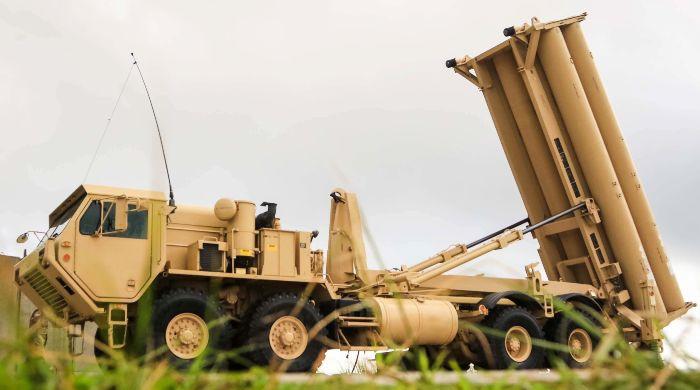
“We have all that we need to protect our bases, our personnel in the region and our interests,” the official said, adding that Israel was “working on solutions to address” the shortage. The official confirmed the administration maintains sufficient THAAD systems, fighter jets, and mid-level interceptors.
Last June, the United States fired over 150 THAAD interceptors during a 12-day war with Iran, a volume believed to represent roughly a quarter of the U.S. inventory at the time, according to the Center for Strategic and International Studies. Separate reports suggest the U.S. used approximately $2.4 billion worth of Patriot interceptors in the first five days of the current conflict. In response, the Pentagon began efforts in January to significantly increase production of the THAAD missile defence system.
Official Statements and Regional Preparedness
Following the Semafor report, White House press secretary Karoline Leavitt stated U.S. stockpiles were “more than enough” to achieve President Donald Trump’s goals against Iran “and beyond.” She highlighted military accomplishments, noting, “Iranian drone attacks are down 95%, ballistic missile attacks are down 90%, and the regime’s dire situation will only worsen.”
Chief Pentagon spokesman Sean Parnell asserted the department “has everything it needs to execute any mission at the time and place of” President Trump’s choosing. President Trump has previously described the war as a “short-term excursion” that could end soon, yet the U.S., Israel, and Iran have all signalled preparations for a prolonged conflict.
Alternative Defences and Unanswered Questions
Semafor noted that Israel retains other defensive options, including fighter jets, but interceptors remain among its most effective tools against long-range ballistic missile threats. The Iron Dome system, designed for shorter-range projectiles, operates separately. The Israel Defence Forces did not immediately respond to requests for comment on the reported shortage.
While President Trump has claimed the United States possesses a “virtually unlimited” stockpile of munitions, analysts have consistently argued that U.S. reserves are lower than the military would prefer, raising questions about the sustainability of high-intensity missile defence operations.