Ministers Warn of Potential Price Hikes, Urge Public Cooperation
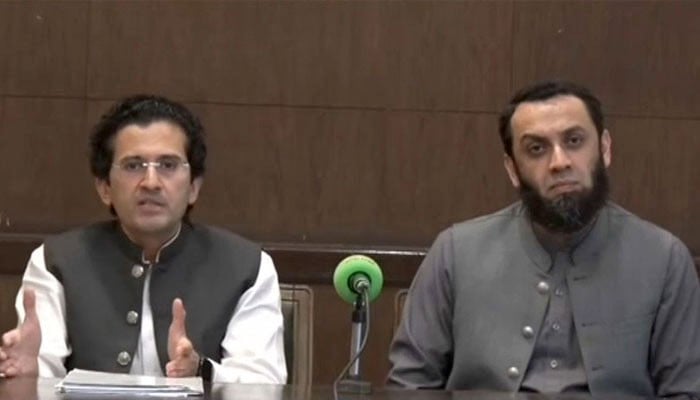
The federal government has issued a stark appeal to the public, urging immediate energy conservation and austerity measures as a regional conflict in the Middle East triggers a fuel supply crisis. In a joint press conference on Saturday, Information Minister Attaullah Tarar and Petroleum Minister Ali Pervaiz Malik called for a nationwide effort to reduce fuel consumption, warning that further price increases remain likely due to global market volatility.
Government Actions and Price Pressures
The ministers’ appeal follows a series of difficult decisions. Two weeks prior, the government implemented a sharp increase of Rs55 per liter for petrol and diesel, citing severe disruptions to global oil markets from the ongoing US-Israel and Iran war. This press conference came just one day after Prime Minister Shehbaz Sharif rejected a summary to further hike fuel prices ahead of Eid ul Fitr, a move described as a relief for citizens during the holiday.
“This week, an increase of Rs150 in petrol and Rs250 in diesel was averted,” stated Information Minister Tarar, highlighting the government’s effort to shield the public. However, he cautioned that prices are ultimately tied to international trends. “We must ensure oil conservation at all costs,” he emphasized.
A Collective Responsibility
Both ministers framed the crisis as requiring a unified national response. “People should step forward and adopt austerity measures to support the government’s efforts in conserving energy,” they stated, stressing the concept of collective responsibility. Petroleum Minister Malik detailed internal government cuts, noting that the prime minister had reduced privileges for his entire team as part of broader cost-cutting measures.
“The public must also fulfil its responsibility,” Malik added, announcing plans to consult with provincial governments to establish a stronger system for managing the crisis.
Broader Regional and Economic Context
The ministers linked the domestic situation directly to heightened geopolitical tensions. “The region is currently facing heightened tensions, which are affecting global energy markets,” Malik explained. The government’s warnings come amid a backdrop of global energy shocks, with related headlines pointing to surging kerosene prices, stock market declines linked to oil prices, and international efforts to find quick fixes for energy price surges stemming from the conflict.
As Pakistan navigates this period of instability, the call for conservation underscores the direct impact of international conflicts on domestic economic stability and the daily lives of its citizens.