Strikes Continue as Trump Touts Negotiations
The United States Central Command (CENTCOM) has confirmed conducting more than 9,000 attacks on Iranian targets since the joint US-Israel military campaign began on February 28. In a statement, CENTCOM reported damaging or destroying 140 Iranian vessels and emphasized that strikes against Iranian military infrastructure continue with precision munitions. This announcement comes despite recent claims by US President Donald Trump of ongoing diplomatic engagement with Tehran.
Conflicting Narratives on Diplomacy
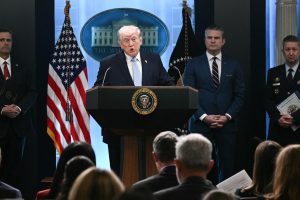
A complex diplomatic picture is emerging. President Trump stated that preliminary US-Iran conversations have been “very, very good” and that Tehran “wants to settle.” He outlined core US demands, insisting any agreement must see Iran abandon its nuclear ambitions and surrender its stockpile of enriched uranium. However, Iran’s foreign ministry has categorically denied any talks have taken place in the past 24 days, claiming it has not responded to US overtures relayed through third parties.
Pakistan Positions Itself as Crucial Mediator
Pakistan has signaled its readiness to host US-Iran negotiations and is actively positioning itself as a lead mediator, according to multiple reports. The country’s Foreign Office confirmed its willingness to facilitate talks if both sides agree. The Financial Times reported that senior Pakistani officials, including Army Chief Field Marshal Asim Munir, are engaged in high-level back-channel communications, facilitating discussions between Iranian officials and key US figures. This mediation effort was underscored by a phone call between Pakistan’s Deputy Prime Minister and Iran’s Foreign Minister, where both agreed to remain in close contact on the evolving situation.
Origins of the Conflict and Regional Expansion
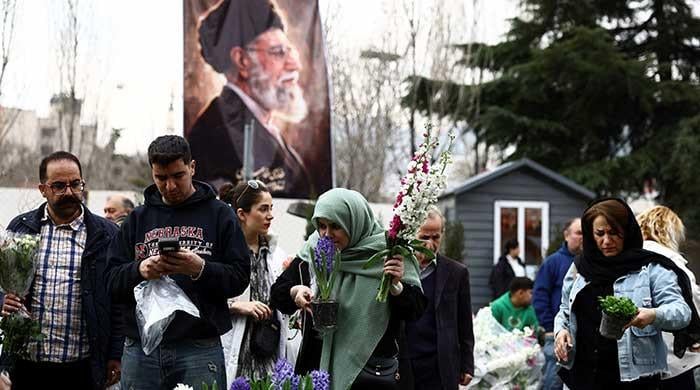
New details have emerged about the decision-making that led to the war. Sources indicate that less than 48 hours before the initial strikes, Israeli Prime Minister Benjamin Netanyahu urged President Trump to approve a joint “decapitation strike” targeting a meeting of Iran’s top leadership, including Supreme Leader Ayatollah Ali Khamenei. Trump had already approved a military operation, and the accelerated timing of the leaders’ meeting reportedly influenced the launch. Meanwhile, the conflict has expanded regionally, with the Israeli military announcing new strikes on Hezbollah infrastructure in Beirut, Lebanon.
Uncertain Path Forward
The situation remains highly volatile. While the US military campaign intensifies on the ground and from the air, a parallel diplomatic track—facilitated by Pakistan—appears to be in motion, albeit shrouded in denial and conflicting statements. The core demands regarding Iran’s nuclear program present a significant hurdle, and the expansion of strikes into Lebanon suggests the conflict risks further regional escalation even as talk of a settlement circulates.