Government Adjusts Fuel Prices Amid Global Market Volatility
The federal government has announced a price increase for kerosene oil, raising it by Rs4.66 per litre. Effective March 28, the new price stands at Rs433.40 per litre, according to a notification from the Petroleum Division. This adjustment follows a previous revision on March 21, when kerosene prices had already surged to Rs428.74 per litre.
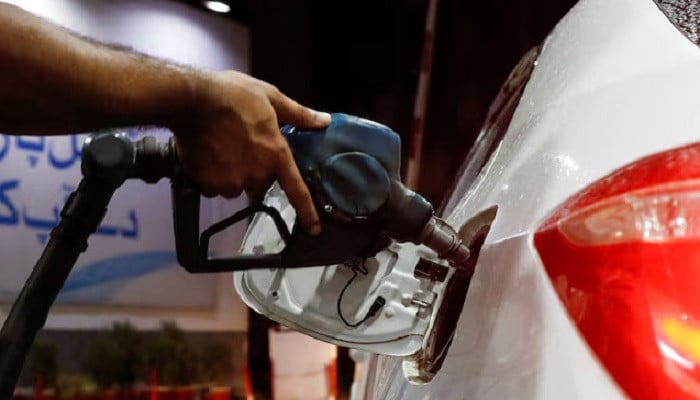
In contrast, the prices of petrol and diesel have been held steady at Rs321.17 and Rs335.86 per litre, respectively. This decision comes despite significant upward pressure from the global oil market. The Petroleum Division stated that petrol and diesel prices were maintained to protect consumers from international price shocks.
Prime Minister Intervenes, Government Bears Rs56 Billion Cost
Hours before the official announcement, Prime Minister Shehbaz Sharif addressed the nation regarding the fuel pricing crisis. The premier revealed he had rejected a summary proposing substantial increases of Rs95 per litre for petrol and Rs203 per litre for diesel.
“The government will bear the additional cost, estimated at Rs56 billion, to protect consumers,” PM Shehbaz stated during his televised address. This intervention means the government will compensate oil marketing companies through the Petroleum Development Cess (PDC), paying them Rs95.59 per litre on petrol and Rs203.88 per litre on diesel.
Diplomatic Context and Economic Implications
During his address, the Prime Minister also highlighted Pakistan’s diplomatic engagements in the region. He noted that Deputy Prime Minister and Foreign Minister Ishaq Dar is leading negotiations with Iran and Gulf countries, emphasizing Pakistan’s active role in regional diplomacy.
The repeated fuel price revisions reflect ongoing challenges in domestic pricing amid volatile global markets and geopolitical tensions in the Middle East. Consumers and businesses continue to feel the ripple effects of rising fuel costs, making the kerosene price hike particularly significant for households and industries reliant on this fuel.
This development occurs against a backdrop of broader economic discussions, including Pakistan’s engagement with international financial institutions and efforts to manage subsidy frameworks. The government’s decision to absorb the cost of maintaining petrol and diesel prices represents a significant fiscal commitment aimed at providing relief to citizens amid economic pressures.