High-stakes negotiations between the United States and Iran, hosted by Pakistan in Islamabad, concluded on Sunday without a formal agreement, though both sides have committed to maintaining a fragile ceasefire. After nearly 21 hours of intensive talks, U.S. Vice President JD Vance departed, leaving what he termed America’s “final and best offer” on the table.
Pakistan’s Mediation and a Call for Restraint
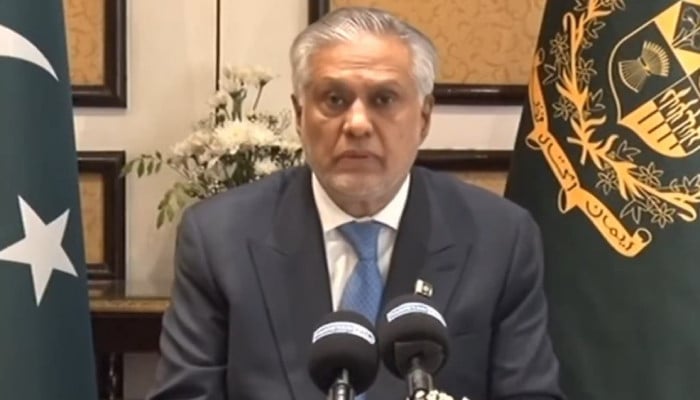
Addressing the media at the conclusion of the talks, Pakistan’s Deputy Prime Minister and Foreign Minister Ishaq Dar stated it was “imperative” for both nations to uphold their ceasefire commitments. Dar, who mediated alongside Chief of Army Staff Field Marshal Asim Munir, expressed gratitude to both delegations for accepting Prime Minister Shehbaz Sharif’s invitation.
“We hope that the two sides continue with the positive spirit to achieve durable peace and prosperity for the entire region and beyond,” Dar said, reiterating Pakistan’s ongoing role as a facilitator for dialogue.
Vance Departs with “Final Offer”
The U.S. delegation, led by Vice President Vance, and the Iranian delegation, headed by Parliament Speaker Bagher Ghalibaf, engaged in multiple rounds of what were described as “intense and constructive” negotiations. However, Vance confirmed the talks did not yield a breakthrough.
“The bad news is that we have not reached an agreement, and I think that’s bad news for Iran much more than it’s bad news for the United States of America,” Vance told reporters before departing from Islamabad’s Nur Khan Airbase. He boarded Air Force Two shortly after 7 a.m., waving to Pakistani officials including Dar and Munir.
Underlying Conflict and Sticking Points
The talks aimed to solidify a ceasefire announced on April 8, following weeks of conflict that began with coordinated U.S.-Israeli strikes on Iranian infrastructure on February 28. The hostilities resulted in over 2,000 casualties and saw Iran retaliate by disrupting shipping in the Strait of Hormuz and targeting Israeli and U.S. interests.
Key disagreements persist. Washington has proposed a 15-point framework focusing on nuclear constraints, sanctions relief, and guaranteeing the Strait of Hormuz remains open. Tehran’s 10-point plan reportedly seeks greater control over the strategic waterway, transit fees, and a more comprehensive removal of sanctions.
International Backing for Pakistan’s Role
The international community has broadly supported Pakistan’s diplomatic initiative to host the talks and de-escalate regional tensions. The country has positioned itself as a neutral mediator, leveraging its relationships with both Washington and Tehran to foster dialogue.
Despite the lack of a signed deal, the commitment to maintain the ceasefire and continue diplomatic engagement offers a tentative path forward. All eyes now turn to whether Iran will respond to the U.S. proposal in the coming days.