High-Stakes Talks End Without Agreement
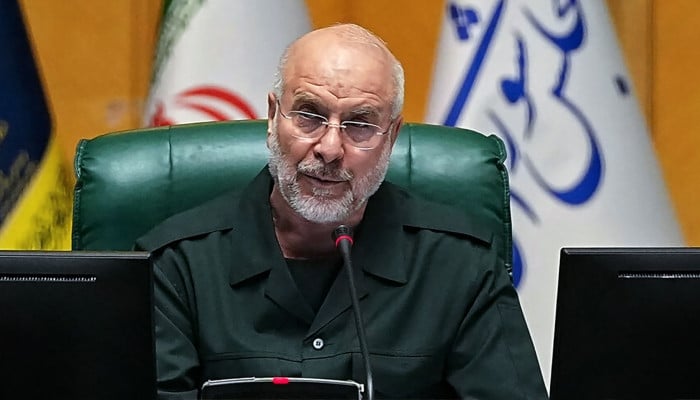
High-level talks between the United States and Iran, held in Islamabad over the weekend, have concluded without a deal. Iran’s Parliament Speaker, Mohammad Bagher Ghalibaf, stated that Washington was “unable” to win Tehran’s trust during the negotiations, which lasted more than 20 hours and were mediated by Pakistan.
Divergent Positions and Public Statements
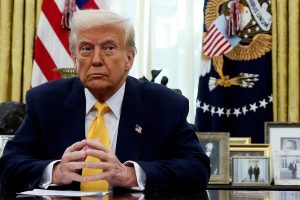
Following the talks, US Vice President JD Vance announced that Tehran had rejected Washington’s terms, which Iranian state media labeled as “unreasonable.” Vance emphasized that the US had made its red lines clear but left without an agreement.
In contrast, Ghalibaf, posting on social media platform X, claimed the Iranian delegation had put forward “constructive initiatives.” He attributed the lack of trust to the experiences of previous conflicts, stating, “America has understood our logic and principles, and now it’s time for it to decide whether it can earn our trust or not.”
Pakistan’s Crucial Mediating Role
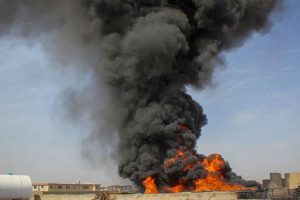
The talks were facilitated by Pakistan, which had earlier brokered a two-week ceasefire that began on April 8. Ghalibaf acknowledged Pakistan’s “crucial role” in the process. The conflict, which began with joint US-Israeli strikes on February 28, has resulted in over 2,000 deaths and significant regional instability, including Iranian retaliatory operations disrupting shipping in the Strait of Hormuz.
Conflicting Proposals on the Table
The negotiating positions revealed a wide gap between the two sides:
- US Proposal: A 15-point framework focusing on nuclear and missile issues, sanctions relief, and the reopening of the Strait of Hormuz.
- Iranian Proposal: A 10-point plan seeking greater control over the Strait of Hormuz, transit fees, and comprehensive sanctions removal.
The Path Forward
Despite the setback, both sides indicated diplomacy would continue. An Iranian foreign ministry spokesman noted that no one expected an agreement from a single meeting. Ghalibaf vowed that Iran’s delegation “will not for a moment cease” its efforts to consolidate the country’s achievements. The world now watches to see if a foundation for future dialogue has been laid or if tensions will escalate once more.