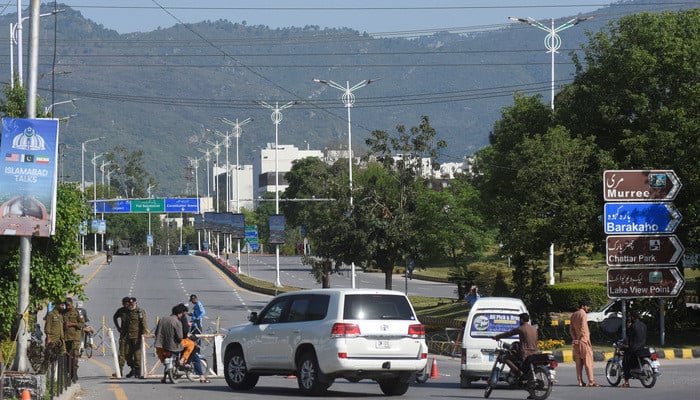
Pakistan has formally proposed hosting a fresh round of high-stakes negotiations between the United States and Iran in Islamabad in the coming days, according to a report by the Associated Press. This diplomatic push comes with a critical deadline: the current ceasefire between the two nations is set to expire on April 21.
Mediation Efforts Intensify After Inconclusive First Round
Citing two anonymous Pakistani officials, the AP reported that the proposal for renewed talks in the Pakistani capital is on the table, though the final venue could shift based on the preferences of Washington and Tehran. The officials emphasized that the initial talks held last week were not a standalone event but part of an ongoing diplomatic process.
The first round, dubbed the “Islamabad Talks,” brought together senior delegations for nearly 21 hours of intensive, closed-door discussions starting April 11. While the marathon session ended without a formal agreement, it was seen as a significant breakthrough in establishing direct communication channels.
Backchannel Diplomacy Continues
Despite the lack of an immediate deal, diplomatic engagement has persisted. Multiple news agencies report that Pakistan has continued its role as a mediator, relaying messages between the capitals. A second round of negotiations is reportedly under consideration and could be convened as early as this Thursday, with Islamabad and Geneva both mentioned as potential hosts.
US Vice President JD Vance, who led the American delegation, acknowledged that while a deal was not reached, “a lot of progress” had been made. He stated that the next move in the diplomatic process rests with Iran. A US official separately noted there was “ongoing engagement and forward movement.”
Stakes Remain High as Conflict Toll Mounts
The negotiations aim to resolve a conflict that began on February 28 with coordinated US-Israeli strikes on Iranian targets, prompting retaliatory actions from Tehran. The hostilities have:
- Resulted in over 2,000 fatalities.
- Destabilized the wider region.
- Disrupted shipping through the critical Strait of Hormuz.
A temporary ceasefire, brokered with Pakistan’s involvement on April 8, remains fragile. Major disagreements persist between the US 15-point framework—addressing nuclear issues, sanctions, and maritime security—and Iran’s 10-point plan, which seeks broader sanctions relief.
The international community has largely endorsed Pakistan’s facilitatory role, viewing sustained dialogue as essential to preventing a renewed escalation after the ceasefire deadline passes.