Live Updates: A Region on the Brink
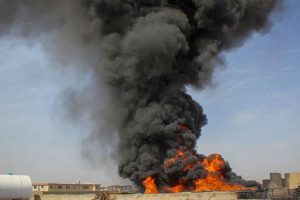
The geopolitical landscape of the Middle East has entered a perilous new phase as a coordinated military attack by the United States and Israel on Iranian targets marks a significant escalation in the ongoing regional war. The events of April 14, 2026, underscore a conflict spiraling across multiple fronts, from the Persian Gulf to the Mediterranean, with profound humanitarian and global economic consequences.
Diplomatic Maneuvers Amidst Military Strikes
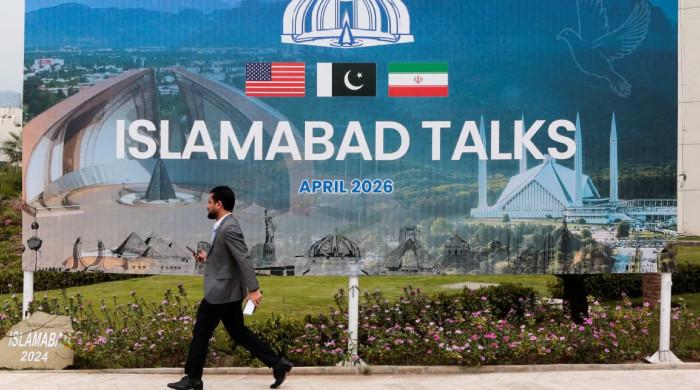
Even as hostilities intensify, a complex web of diplomacy is unfolding. The British High Commissioner has publicly thanked Pakistan for its role in facilitating talks between the US and Iran. Reports indicate that despite an impasse in recent Islamabad negotiations, Washington and Tehran may be headed for a second round of talks as soon as Thursday, with Pakistan continuing to act as a key mediator. US Vice President JD Vance stated that “a lot of progress” had been made but warned that the ball was in Iran’s court, particularly regarding the strategic Strait of Hormuz.
In a rare diplomatic development, Israeli and Lebanese ambassadors are scheduled for direct talks in Washington, DC, with US Secretary of State Marco Rubio in attendance. The talks aim to secure a ceasefire in Lebanon and address the disarmament of Hezbollah, which has already rejected the negotiations as “futile.”
Humanitarian Catastrophe and International Condemnation
The human cost of the conflict is mounting. Israeli strikes have caused significant damage to the Tebnin Governmental Hospital in southern Lebanon, with footage showing widespread destruction, overturned medical equipment, and reported casualties. The National News Agency states that Israeli operations in Lebanon have killed more than 2,000 people since March 2.
At the United Nations, Pakistan condemned the Israeli strikes, with Deputy Permanent Representative Usman Jadoon describing the humanitarian situation as “catastrophic” and demanding an immediate end to the “large-scale destruction of civilian infrastructure.”
Global Repercussions: Energy Markets and Political Fallout
The International Energy Agency (IEA) has warned that global energy markets face a tougher month amid the Iran war, highlighting the economic stakes. Despite a US blockade, a US-sanctioned, Chinese-owned tanker transited the Strait of Hormuz, a critical chokepoint for oil shipments. Analysis from The Wall Street Journal suggests Iran is far from cornered, having built a substantial offshore oil stockpile that could allow it to withstand prolonged US pressure, particularly by continuing supplies to China.
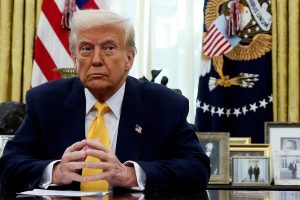
The war has also ignited political and rhetorical fires. US President Donald Trump denounced US media coverage as “fake news,” specifically attacking The New York Times. Meanwhile, Pope Leo, responding to criticism from Trump, vowed to continue speaking out against war, stating, “Too many innocent people are being killed. And I think someone has to stand up and say: ‘There’s a better way.'”
As military, diplomatic, and economic pressures converge, the path to de-escalation remains fraught, with the world watching a conflict that shows no immediate signs of abating.