Diplomatic Condemnation Amid Escalating Tensions
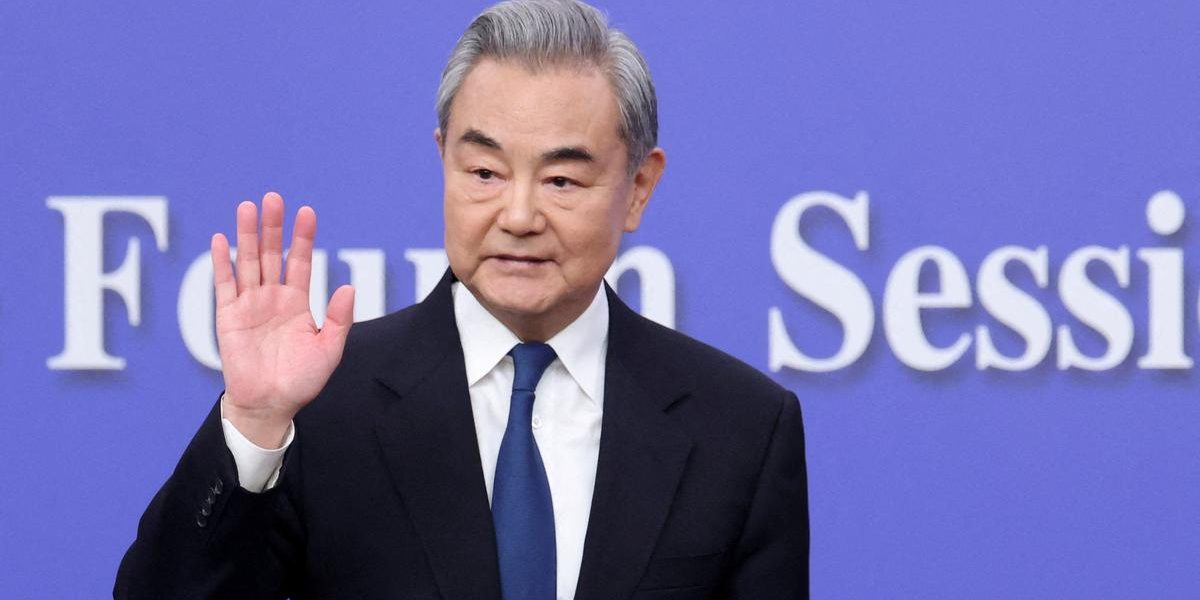
China has denounced the United States’ blockade of Iranian ports as “dangerous and irresponsible,” according to Foreign Minister Wang Yi. The statement comes as the US naval blockade, ordered by President Donald Trump, took effect on Monday, targeting vessels entering or leaving Iranian ports and coastal areas. This move follows the collapse of direct US-Iran negotiations in Islamabad over the weekend.
Defiance on the High Seas
Despite the blockade, a Chinese-owned tanker under US sanctions reportedly transited the Strait of Hormuz on Tuesday. The Rich Starry, carrying approximately 250,000 barrels of methanol, is believed to be the first vessel to exit the Gulf since the blockade began, according to shipping data from LSEG, MarineTraffic, and Kpler. A second sanctioned tanker, the Murlikishan, was also observed heading toward the strait.
Iran’s Firm Rejection and US Threats
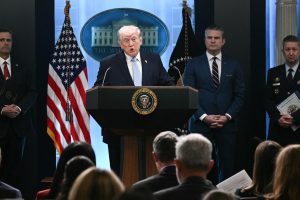
Iran has formally condemned the blockade as a “grave violation of its sovereignty” in a letter to UN Secretary-General Antonio Guterres. Concurrently, President Trump issued a stark warning on Truth Social, threatening to “immediately DESTROY” any Iranian fast-attack craft that approaches the blockade. He asserted that Iranian leaders “want a deal at any cost.”
Parallel Peace Efforts Stumble
As maritime tensions flare, separate peace talks between Lebanon and Israel opened in Washington under US mediation. However, prospects appear dim after Hezbollah leader Naïm Qassem demanded the talks’ cancellation, labeling them a “capitulation.” The negotiations proceed amid ongoing violence; the Israeli military announced the death of a soldier in southern Lebanon on Tuesday.
International Calls for Restraint
The blockade has drawn concern from other nations. French Foreign Minister Jean-Noël Barrot urged for the blockade to be lifted, warning of its “negative consequences.” Spanish Prime Minister Pedro Sánchez, following a meeting with Chinese President Xi Jinping, stated that China “can play an important role” in resolving the Middle East conflict. UN chief Guterres called on all parties to respect freedom of navigation in accordance with international law.
Broader Regional Implications
The blockade represents a significant escalation in the ongoing regional conflict, risking further disruption to global shipping and energy markets through the critical Strait of Hormuz. With diplomatic channels strained and military postures hardening, the path to de-escalation remains uncertain.