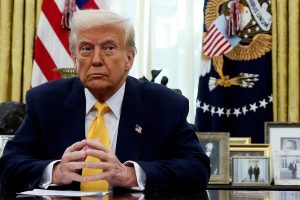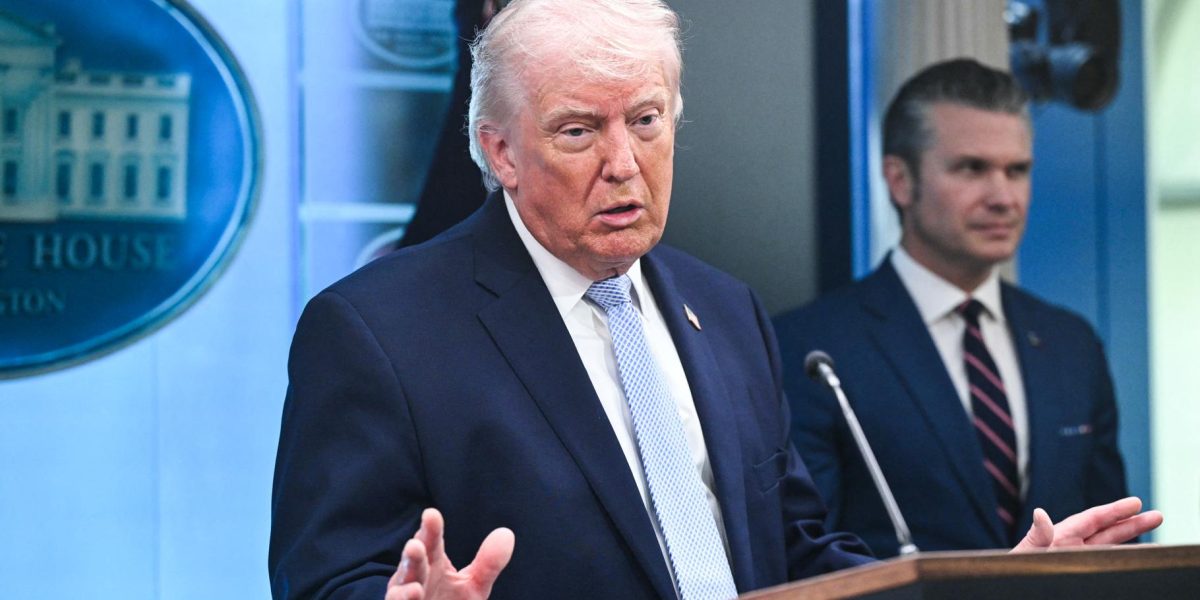
In a significant diplomatic development, a second round of negotiations aimed at securing a truce will open between Israeli and Lebanese officials. U.S. President Donald Trump announced the talks, stating the “leaders” of Israel and Lebanon would speak on Thursday, April 16. This follows initial discussions this week between the two countries’ ambassadors in Washington.
Conflicting Claims and a Confirmed Dialogue
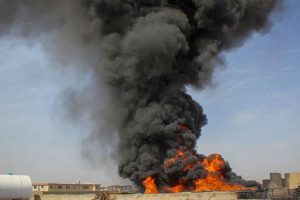
While Lebanon initially stated it was “not aware” of this new exchange, Israeli officials confirmed the planned high-level contact. The announcement comes amid a devastating war between Israel and the Lebanese militant group Hezbollah, which began on March 2. Hezbollah claimed several drone attacks on military positions in northern Israel on Thursday morning. Israeli strikes on Lebanon since early March have reportedly resulted in over 2,000 fatalities and displaced one million people.
A “Historic” Exchange Amidst War Aims
President Trump, writing on his Truth Social network, framed the talks as an effort to “create a little respite between Israel and Lebanon,” noting the leaders had not spoken in approximately 34 years. Israeli Minister of Innovation Gila Gamliel later specified that Prime Minister Benjamin Netanyahu would speak with Lebanese President Michel Aoun, calling it a “historic process” to eradicate the threat of Hezbollah.
“We can hope this move will ultimately lead to the prosperity and flourishing of Lebanon as a state,” Gamliel told Israeli military radio, emphasizing a policy of “effective elimination” of threats over past containment strategies.
Ceasefire Demand Remains Key Sticking Point
The path to negotiations remains fraught. President Aoun has stressed the necessity of a “ceasefire” before direct talks with Israel. This demand was echoed by Lebanese Ambassador Nada Hamadeh Moawad during the ambassadorial meeting, where she called for a cessation of hostilities—a condition Israel has thus far rejected.
A senior U.S. official, speaking anonymously, stated that while the U.S. would welcome an end to hostilities and a peace agreement, it has not demanded an immediate ceasefire. The official clarified that any potential Israel-Lebanon deal is separate from broader U.S.-Iran negotiations concerning the wider Middle East conflict, which was triggered by an Israeli-American strike on Iran in late February.
Hezbollah’s Stance and Regional Tensions
Hezbollah, which entered the war in retaliation for that strike, has condemned the direct discussions between Lebanon and Israel, labeling them a “capitulation.” The talks represent the first direct negotiations of their kind since 1993, marking a fragile diplomatic opening in a region gripped by violence and complex geopolitical rivalries.