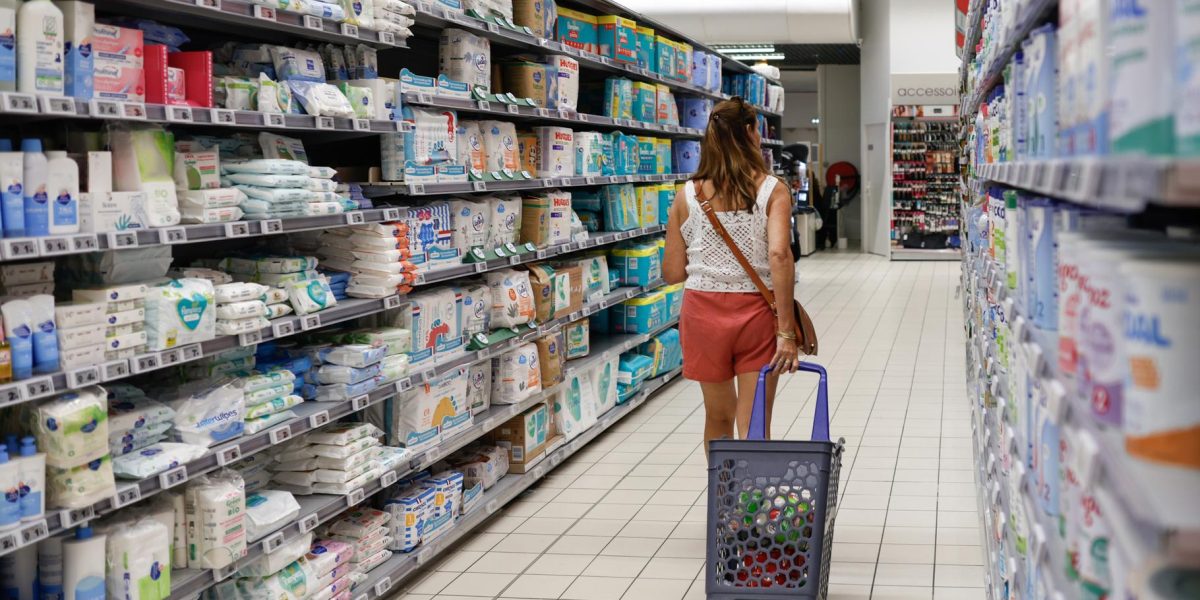
For millions in France, maintaining basic personal hygiene is becoming a financial impossibility. A stark new study reveals a nation grappling with “hygiene poverty,” where essential items like menstrual products, toothpaste, and diapers are increasingly out of reach.
Millions Forced to Make Dangerous Compromises
According to an Ifop survey for the association Dons Solidaires, nearly 4 million French people are now forced to skip essential hygiene products due to lack of funds. The crisis hits women particularly hard: 2.3 million women—13% of the female population—regularly lack menstrual protections. Of these, 11% resort to makeshift alternatives, from torn cloth to other unsafe materials.
“Once, my daughter had her period, but I couldn’t buy her pads, so I tore up an old T-shirt and told her to make do with that until we found a solution,” Nora, a 48-year-old single mother of two from Montreuil, told AFP. Her story is far from unique.
Single-Parent Families Bear the Brunt
The data paints a picture of disproportionate suffering. While 43% of the general French population reports restricting hygiene purchases for budgetary reasons, that figure soars to 60% among single-parent families. These households, often led by women, are on the front lines of the crisis.
Radia, a 46-year-old dental assistant and single mother of three in Saint-Denis, embodies this struggle. With a monthly income of €1,500 plus family benefits, she has eliminated “makeup, skin creams, perfumes” from her budget. “I prefer to buy meat for the children,” she states. For her youngest children’s diaper changes, she uses water and soap instead of expensive wipes.
Parental Guilt and Social Withdrawal
The consequences extend beyond physical discomfort to profound psychological and social damage. The study found that 19% of parents have skipped buying diapers for their baby, and 18% have used a “homemade” protection for their child. This leads to intense feelings of failure, with 63% of these parents reporting they feel like “bad parents” because of these sacrifices.
When access to hygiene products fails, social life crumbles. Nearly half (46%) of affected individuals lose confidence in themselves, a third (33%) withdraw into their homes, and over a quarter have canceled social or romantic engagements or avoided people in their circle.
Choosing Between Food and Soap
The crisis forces impossible choices. The study indicates that among the working poor, 42% have already had to choose between buying food and buying hygiene products. In total, an estimated 8 million French people are affected by this form of deprivation.
The elderly are not spared. At a Restos du Cœur center in Aubervilliers, director Yamina Bouadou notes a rising demand for expensive adult diapers. “People who no longer feel clean no longer dare to go out,” she summarizes, highlighting the isolating effect of hygiene poverty.
Resourcefulness in the Face of Scarcity
Faced with relentless financial pressure, some are turning to ingenuity. Gélese, a 46-year-old Haitian mother of four currently out of work, has given up the makeup and manicures she loved. Instead, she makes her own laundry detergent “with soap and baking soda” and has taught her teenage daughters to make their own deodorant “with alum stone,” an economical and chemical-free alternative.
This widespread deprivation persists despite legislative promises. Advocacy groups like Règles Élémentaires point out that three years after a law was passed, free access to menstrual protections in public spaces remains largely unimplemented, leaving millions of women without a safety net.