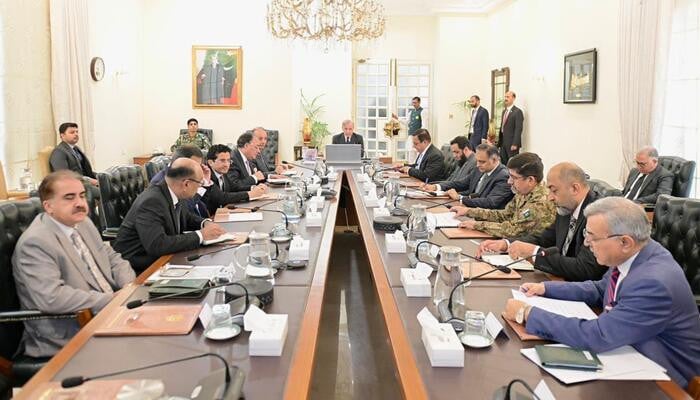
Prime Minister Shehbaz Sharif declared on Thursday that the government’s preemptive energy conservation measures successfully prevented a crisis in Pakistan as the ongoing Middle East conflict disrupted global oil supplies. Chairing a high-level meeting on energy security in Islamabad, he emphasized that energy security remains a cornerstone of the nation’s future planning.
Strategic Reserves and Electric Vehicle Push
During the meeting, the premier revealed that work is underway to maintain strategic reserves of crude oil to address future energy needs. He also outlined a gradual transition toward eco-friendly electric vehicles (EVs) for transportation, directing that only electric buses and motorcycles be purchased for government use moving forward. The establishment of EV charging stations is to be accelerated.
Solar Storage and Local Manufacturing
Shehbaz called for a strategy to facilitate battery acquisition for storing surplus solar electricity, urging the encouragement of local manufacturing for high-quality storage batteries. The meeting was briefed that the National Coordination and Management Council (NCMC) reviews the energy situation daily, with sufficient stocks of petroleum products and a stable food security situation already in place.
Domestic Production and Grid-Level Projects
Officials informed the participants that continuous efforts by oil and gas companies are increasing local production. A PC-I is being prepared for two pilot projects on grid-level battery storage, while domestic consumers generating solar energy are being incentivized to install battery storage systems.
Broader Austerity Measures
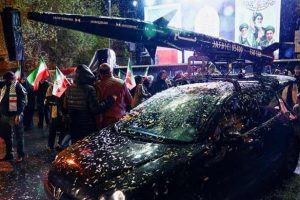
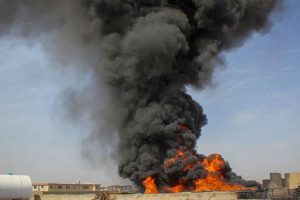
Last month, PM Shehbaz announced a comprehensive fuel conservation plan, including a four-day workweek, early market closures, reduced fuel allowances, and a 20% cut in government department expenditures. These measures followed disruptions to the global oil supply chain triggered by the war in the Middle East, which began after joint US-Israeli attacks on Iran on February 28. Tehran’s response included targeting US bases in the Gulf and effectively blocking the Strait of Hormuz, a critical oil shipping route.
Meeting Attendees
The high-level meeting was attended by key federal ministers, including Musadik Masood Malik, Ahad Khan Cheema, Muhammad Aurangzeb, Sardar Awais Leghari, Attaullah Tarar, Ali Pervez Malik, Ahsan Iqbal, as well as the Advisor to the Prime Minister on Privatisation, Muhammad Ali, Minister of State Bilal Azhar Kayani, Special Assistant Haroon Akhtar, and other senior government officials.