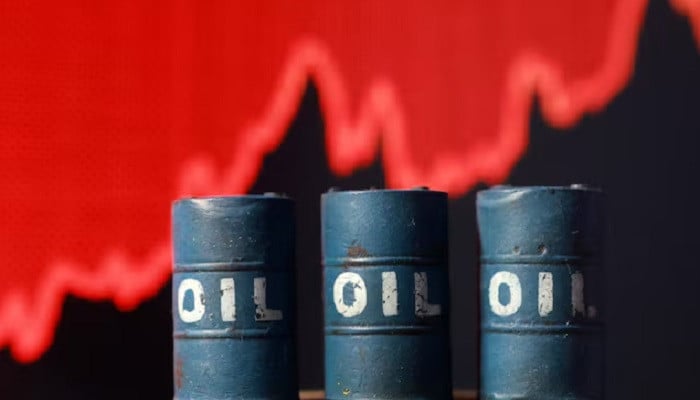
Global oil prices climbed above $107 a barrel on Monday, while US stock futures slipped, as the breakdown of peace negotiations between the United States and Iran intensified concerns over disrupted energy exports from the Middle East. The standoff is unsettling financial markets and policymakers ahead of a busy week of central bank meetings.
Benchmark Brent crude futures rose more than 2% to a three-week high of $107.97 in early Asian trading, stoking inflation worries that have led traders to effectively rule out any interest rate cuts for the remainder of the year. S&P 500 futures dipped 0.3% in modest early moves, following a record closing high on Friday driven by gains in artificial intelligence stocks.
Strait of Hormuz Remains Key Flashpoint
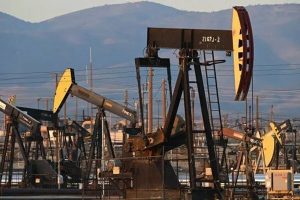
Although a ceasefire has largely frozen the fighting triggered by US-Israeli strikes on Iran two months ago, markets remain fixated on the Strait of Hormuz. The critical oil chokepoint remains effectively shut, driving energy prices sharply higher. The average LNG price for June delivery into northeast Asia reached $16.70 per million British thermal units last week, nearly 61% above pre-war levels.
Goldman Sachs analysts sharply raised their year-end oil price forecasts from $80 to $90 per barrel for Brent, but cautioned that even this projection depends on a normalization of Gulf exports by the end of June. “Non-linear price increases are likely if inventories drop to critically low levels, which we have not seen in the last few decades,” they warned in a research note.
US President Donald Trump a planned visit by US envoys to Islamabad for talks over the weekend, even as Iran’s foreign minister continued shuttling between mediating countries.
Central Banks on Hold as Inflation Fears Mount
Traders expect the supply shock to keep most central banks on hold this week, though aggressive bets on future rate hikes in Britain and Europe could be tested if policymakers strike a cautious tone. The Bank of Japan is the first to announce its decision, expected to keep its short-term policy rate steady at 0.75% on Tuesday. Markets are betting on eventual hikes but worry that inflation is taking hold, with long-end yields rising and the yen under pressure.
The Federal Reserve is expected to leave rates unchanged at what is likely to be Chair Jerome Powell’s final meeting in the role. The European Central Bank and Bank of England are also expected to hold rates, but their tone and outlook could challenge market pricing for both banks to implement two 25-basis-point hikes later this year.
“In short, no central bank should be tightening right now simply to prove it isn’t behind the curve or treating current pressures as transitory,” said Bob Savage, head of markets macro strategy at BNY. “If that message lands, rate markets — which remain extremely aggressive… face significant front-end repricing.”
Asian Markets Mixed, Tech Earnings in Focus
Early moves in Asia were mixed. South Korea’s KOSPI and Japan’s Nikkei rose to record highs, while Australian shares slipped in holiday-thinned trade. The dollar edged higher, leaving the euro down 0.15% at $1.1706 and the yen marginally weaker at 159.53 per dollar.
US tech earnings also headline the week ahead, with 44% of the S&P 500 by market capitalization due to report. Microsoft, Alphabet, Amazon, and Meta Platforms are scheduled for Wednesday, with Apple reporting on Thursday.
“AI is something that people are very optimistic about and very much considered a winner,” said Mike Seidenberg, senior portfolio manager for Allianz Technology Trust. “It’s the top of the portfolio.”