ISLAMABAD — Tensions escalated between Pakistan and Afghanistan this week following a lethal assault on a security forces installation in Karachi, as Islamabad launched a dual diplomatic and rhetorical offensive. The government formally summoned the Afghan chargé d’affaires to register a strong protest, while the information minister sharply rebuked international media for sanitizing the language of terrorism.
Terrorists Are Not ‘Militants,’ Minister Insists
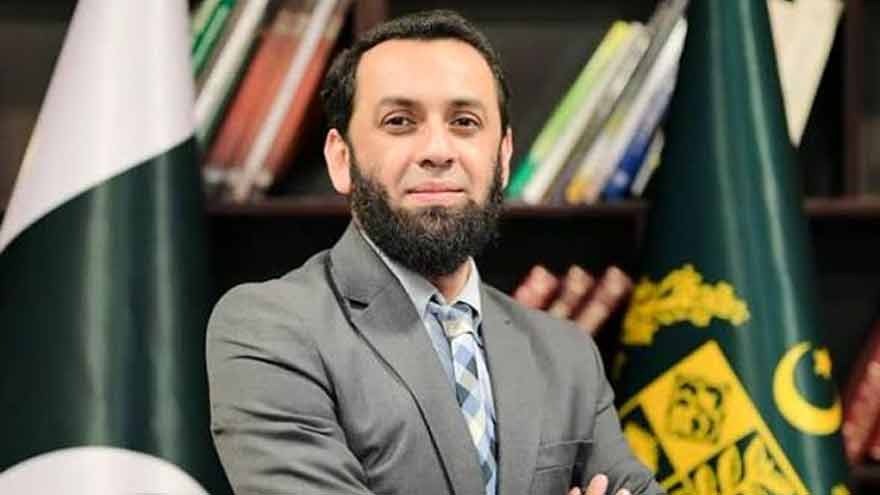
Federal Information Minister Attaullah Tarar issued a stern warning against the growing trend of describing terrorists as “militants,” arguing that such terminology dangerously misrepresents the brutality of their acts. His comments came in direct response to coverage of the Saturday night attack on a Pakistan Rangers headquarters in the Gulistan-e-Jauhar neighborhood.
“Terrorists must not be called by any other name,” Tarar stated, emphasizing that the violence claimed innocent lives and was unequivocally an act of terror. He specifically criticized a report by TRT World for adopting the term, calling the linguistic shift “extremely unfortunate.”
“Terrorists are terrorists, they have no caste, colour, creed or religion,” he added, framing the semantic debate as a matter of moral clarity.
Diplomatic Channels Activated Over Afghan Links
Simultaneously, the Foreign Office moved to confront Kabul directly. Spokesperson Tahir Andrabi confirmed that Pakistan’s Ambassador to Afghanistan, Ubaidur Rehman Nizamani, delivered a formal demarche to the Afghan Foreign Ministry in Kabul, mirroring the protest lodged with the Afghan envoy in Islamabad.
The diplomatic action was grounded in what officials described as concrete evidence pointing to the involvement of Afghan nationals. The protest underscored Pakistan’s long-standing demand that the interim Afghan government prevent its soil from being used for cross-border militancy.
Details of the Karachi Assault Emerge
The attack, which targeted a Rangers facility, resulted in the martyrdom of three security personnel and left four others wounded. According to the Inter-Services Public Relations (ISPR), security forces mounted a rapid response, neutralizing three attackers on the spot and capturing one alive.
The ISPR identified the assailants as members of Jamaatul Ahrar, a faction it described as an Indian-backed outfit. The captured suspect was confirmed to be an Afghan national.
Interrogation Reveals Cross-Border Network
Security sources identified the arrested suspect as Usman Ali. During initial interrogation, Ali allegedly confessed to crossing into Pakistan from Jalalabad approximately one week before the assault. He reportedly admitted membership in Jamaatul Ahrar and named Ahrar Moulvi as the group’s commander operating from Afghanistan.
Officials further disclosed that Ali and his accomplices had received training on Afghan soil prior to executing the attack, a revelation likely to deepen mistrust between the neighboring states. The investigation remains ongoing as authorities work to dismantle the broader network behind the operation.