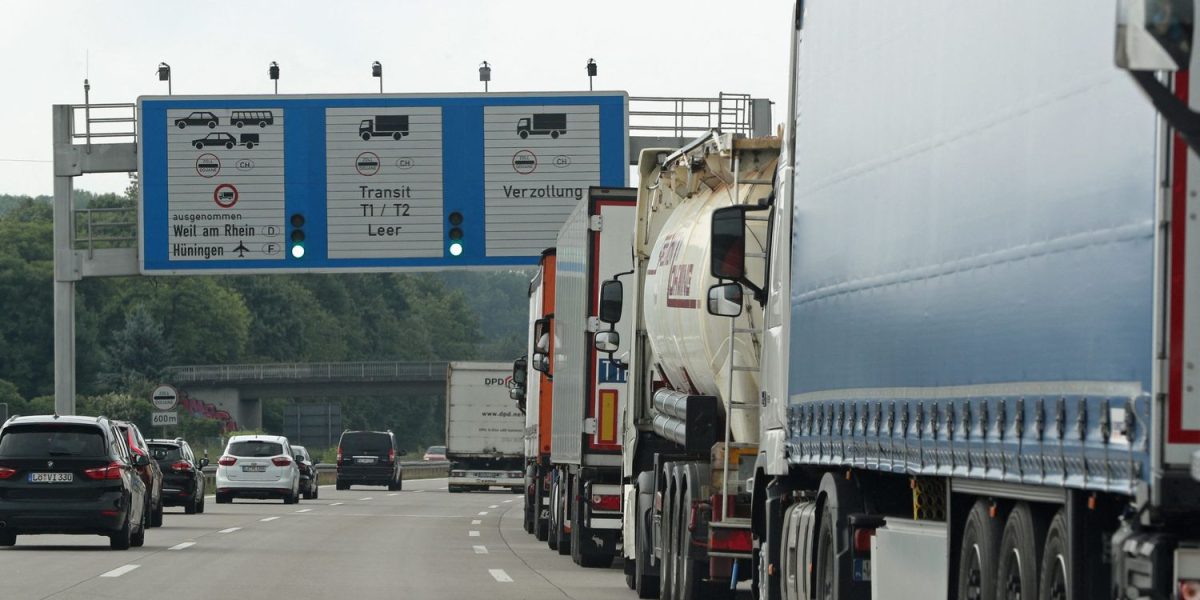
Germany’s road transport industry is confronting a deepening labor crisis, with as many as 120,000 truck driver positions unfilled across the country. The shortfall is compounding pressure on a sector already strained by rising fuel costs and an aging workforce, and industry leaders warn the consequences extend well beyond German borders.
Retirements Outpace Recruitment
According to the German Federal Association for Road Transport, between 30,000 and 35,000 drivers are expected to retire this year, while only 15,000 to 20,000 new drivers are entering the profession. Nearly four in ten truck drivers in Germany are over the age of 55, leaving the industry struggling to replace those who leave the road.
The recruitment challenge reflects broader concerns about working conditions. Daniel, a 39-year-old driver with 17 years behind the wheel, said the job had long been a calling for him, but the realities of the profession have taken a toll.
“Salaries are mediocre. You have to pay, pay, and pay again, and fuel is very expensive,” he said. “It’s a lot of stress, and it takes up all our time. From Monday to Saturday I’m on the road, sometimes two weeks in a row.”
He concluded: “This work is becoming less and less attractive.”
Supply Chain Consequences
The shortage is already affecting how German companies manage their orders. Dirk Engehlhardt, a spokesperson for the German Federal Association for Road Transport of Goods, said many member companies report they can no longer fulfill orders due to a lack of drivers.
“We must find solutions at the European level,” he warned, noting that the problem is not confined to Germany.
“The driver shortage is a problem not only for Germany but also for the entire supply chain in Europe. In Germany alone, 85% of all goods are transported by road,” Engehlhardt said.
Industry Demands Better Conditions
The association is calling for improvements to make the profession more sustainable, including:
- More parking spaces and sanitary facilities
- More comfortable truck cabins
- Fewer administrative formalities
With fuel prices weighing heavily on transport companies and a large share of the workforce approaching retirement age, the pressure on Germany’s logistics network — and by extension, on European supply chains — is unlikely to ease without coordinated action.