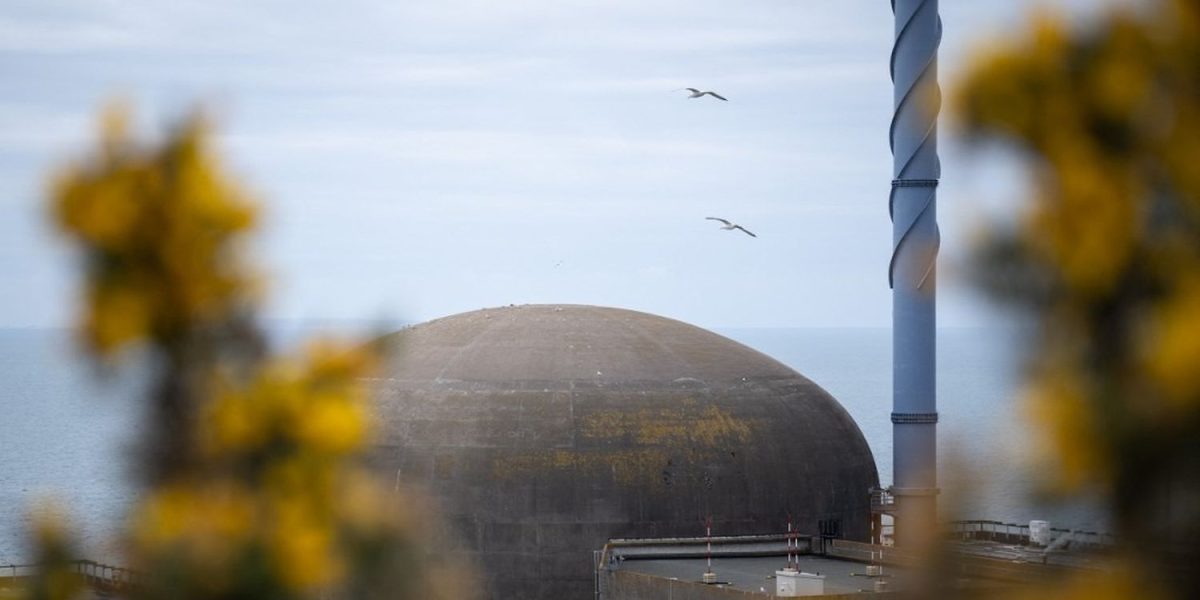
Less than two years after entering service, the next-generation EPR reactor at Flamanville in northern France has been taken offline for a major maintenance operation expected to last a full year.
The reactor in the Manche department was shut down on Saturday, 26 September 2026. The stoppage is not the result of a breakdown but a mandatory regulatory inspection — the first complete visit required for every new reactor 30 months after it begins operation.
Scale of the Operation
The figures alone illustrate the scope of the inspection:
- 20,000 control and maintenance operations will be carried out.
- 24,000 hours of work are planned solely to inspect all the valve systems.
- 2,500 people and 200 companies will be mobilised.
- EDF estimates the total bill at several million euros.
The French energy utility has pledged that 40% of the operations will be handled by local firms.
Replacement of a Defective Reactor Vessel Cover
During the shutdown, a critical component of the EPR will be replaced: the massive steel cover that seals the reactor vessel, where the nuclear fuel is housed. The part has been defective since its manufacture and stands as one of the defining episodes of the project’s troubled construction history.
France’s nuclear safety authority has ordered its replacement, but the operation poses considerable technical challenges. The cover measures six metres in diameter and weighs nearly 100 tonnes. It was forged at Framatome’s plant in Le Creusot, in the Saône-et-Loire region.
Engineers will need to hoist the new cover into place after removing the old one, which will become France’s largest single piece of nuclear waste once dismantled. It will remain at Flamanville for two years before being transported to a radioactive waste management facility in the Aube department.
A Record of Delays and Cost Overruns
Since entering service, the Flamanville EPR has been the most powerful reactor in France’s nuclear fleet. It has generated 7 terawatt-hours of electricity since January — equivalent to the annual consumption of 1.5 million households, a target EDF has hailed as met.
The next-generation reactor was commissioned in 2024, 12 years behind schedule, at a total cost of €13 billion — far exceeding the €3.5 billion initially announced.