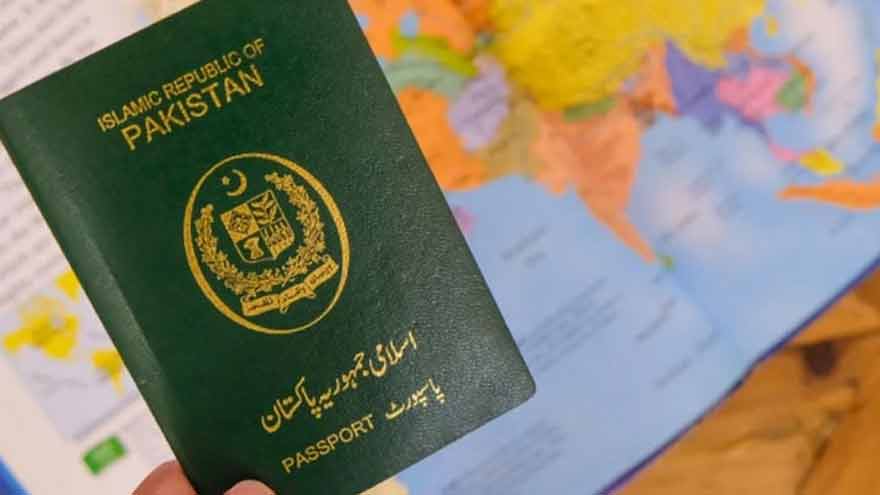
ISLAMABAD — Pakistan has officially retired its machine-readable passport system after 22 years, with authorities now issuing only e-passports to citizens across the country. The switch, effective from today, marks the end of an era that began when the country moved away from handwritten travel documents.
Existing Passports Remain Valid Until Expiry
According to immigration officials, machine-readable passports already in circulation will remain valid until their stated expiry dates. Holders, however, will not be able to renew them once their validity lapses; renewal applications will be processed exclusively as e-passports.
A Phased Rollout
The transition has been years in the making:
- March 2022: Pakistan began issuing e-passports, initially limited to diplomats and residents of Islamabad.
- August 2023: All Pakistani citizens were given the option to choose between a machine-readable passport and an e-passport.
- October 2026: The option ends, with e-passports becoming the sole document issued nationwide.
From Handwritten to Digital
Before machine-readable passports were introduced, Pakistan had issued handwritten passports since independence in 1947. The shift to machine-readable documents brought the country in line with international civil aviation standards, while the move to e-passports adds embedded biometric and security features designed to curb forgery and speed up processing at border crossings.
The complete shift to e-passports places Pakistan alongside a growing list of countries that have phased out legacy travel documents in favour of chip-based passports.