Iran has signaled through Pakistan that it is ready to reopen the Strait of Hormuz if the United States lifts its naval blockade of Iranian ports, but Washington has rejected the overture, Tehran’s ambassador to Islamabad said on Saturday.
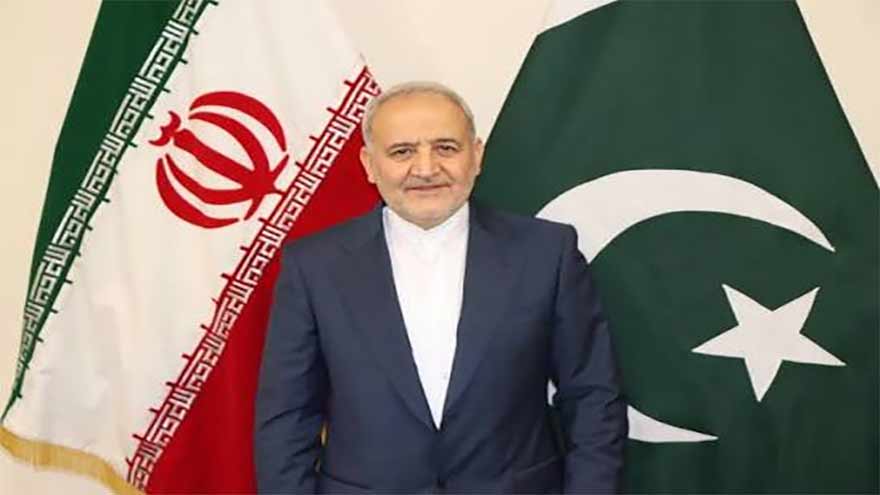
Ambassador Reza Amiri Moghadam, speaking at a seminar in the Pakistani capital, said the proposal was conveyed during recent visits to Tehran by Pakistan’s army chief, Field Marshal Asim Munir. He accused US President Donald Trump of rebuffing the offer by insisting the blockade would continue.
Diplomacy Undermined, Envoy Says
Moghadam said Iran remains open to talks with the United States under a Pakistan-brokered interim deal reached in June to end the conflict, but charged that Washington is undermining diplomacy and prolonging the standoff over the strategic waterway.
Pakistan and Qatar helped broker the June agreement, which sought to restore shipping through the strait, lift the US naval blockade and begin negotiations toward a broader deal addressing Iran’s nuclear program.
Makkah Defense Pact Under Review
The ambassador also said Tehran would study the Makkah Joint Defense Agreement involving Pakistan, Saudi Arabia and Türkiye before deciding whether to support it, describing it as a potential instrument for unity.
“We will study the Makkah Agreement, and if it is good, we will support it,” he said.
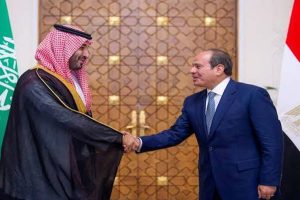
The pact was signed following renewed attacks by Iranian-backed Houthi rebels in Yemen on Saudi Arabia. The three signatories said it would strengthen collective deterrence and expand defense cooperation.
What the June Deal Envisaged
- Restoration of commercial shipping through the Strait of Hormuz
- Lifting of the US naval blockade on Iranian ports
- Launch of negotiations toward a broader accord covering Iran’s nuclear program
The Strait of Hormuz remains one of the world’s most sensitive chokepoints for global energy shipments, and the unresolved blockade dispute continues to cloud prospects for a durable settlement between Tehran and Washington.