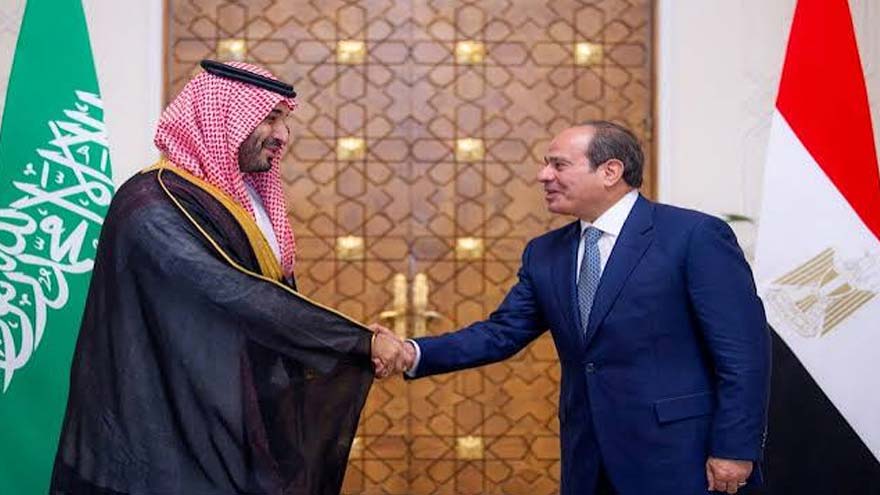
Egypt’s parliament has approved the provision of military assistance to defend Saudi Arabia, a decision that raises the prospect of Cairo being drawn directly into the regional conflict as Iran-aligned Houthi rebels intensify their attacks on the kingdom.
President Abdel Fattah al-Sisi had asked lawmakers last week to authorise support for Riyadh should Saudi Arabia request assistance against the Houthis. The approval would allow Egypt to come to the defence of its Gulf ally, the world’s largest oil exporter.
Strategic Strait at the Heart of the Decision
The Houthi advances have heightened concerns over the Bab al-Mandab Strait, the maritime passage linking the Red Sea to the Gulf of Aden. The route is vital to Egypt’s access to the Suez Canal and plays a central role in global trade and oil shipments.
According to reports, the Houthis have targeted Saudi oil facilities and airports in several cities, alongside imposing a naval blockade in the Bab al-Mandab Strait. More than a dozen people have been killed and around 20 injured in the attacks so far.
Cairo’s Cautious Path
Egypt has previously condemned attacks by Iran and Iran-backed groups against Gulf countries but has so far refrained from direct military involvement in the fighting. In August, Cairo also declined to join a mutual defence agreement reached between Saudi Arabia, Pakistan and Türkiye.
Iran had earlier warned Egypt that any country joining the war in Yemen could cause the conflict to spread far beyond the region, with consequences that would benefit no one.
What the Decision Means
- Parliament’s approval opens the door for Egyptian military support to Saudi Arabia upon request.
- The move signals a possible shift from Cairo’s longstanding policy of non-intervention in Yemen.
- Control of the Bab al-Mandab Strait remains a key concern for Egypt’s Suez Canal revenues and global shipping.
- Regional players, including Iran, have cautioned against widening the conflict.
The decision marks a significant moment for Egyptian foreign policy, balancing its strategic and economic interests against the risks of deeper entanglement in a conflict that has already drawn in multiple regional powers.