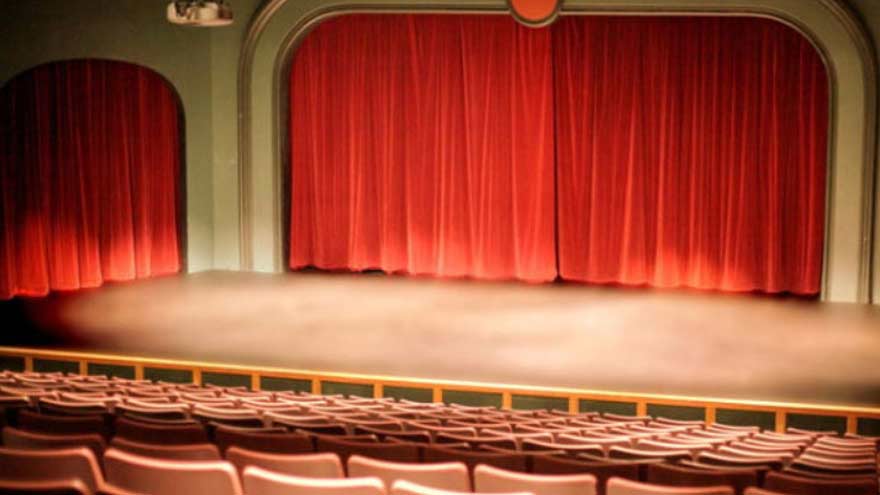
The Punjab government has moved to bring stage dramas and theatre performances under a far stricter legal regime, unveiling a proposed law that would scrap a nearly 150-year-old statute and replace it with a modern licensing and censorship system.
The Punjab Dramatic and Theatrical Performances Bill 2026 surfaced during the ongoing provincial assembly session and has been referred to the relevant committee for consideration.
A Break From the Colonial Era
The proposed legislation would repeal the Dramatic Performances Act 1876, a colonial-era law still on the books, and install a comprehensive regulatory and administrative framework for theatrical activity across the province.
Under the draft, staging a drama or theatrical performance at any public venue in Punjab would require a licence issued by the relevant secretary. The proposed licence fee is Rs25,000, while scripts would need prior approval at a proposed fee of Rs35,000.
Script Review and Prior Approval
Script Review Committees would be constituted to examine theatrical scripts, notified by the Secretary of the Information and Culture Department. Organisers would have to submit full scripts or performance details at least 15 days before a scheduled show.
Performing material that departs from an approved script would itself be treated as an offence under the draft.
The bill also proposes mandatory registration for everyone working in theatre productions, with only registered professionals permitted to take part. The proposed registration fee is Rs10,000.
- Licence to stage a public performance: Rs25,000
- Script approval fee: Rs35,000
- Artist registration fee: Rs10,000
- Script and performance details due: 15 days before the show
Who Counts as an Artist
The definition of artist under the legislation extends well beyond actors to include makeup artists, costume designers, choreographers, producers, directors and other related professionals.
Content Restrictions and Rehearsal Scrutiny
The proposed law seeks to prohibit performances deemed obscene, immoral, insulting or objectionable, as well as those that hurt religious sentiments.
It would also require rehearsals to be presented before a censorship committee at least one day before the actual performance.
Monitoring, Fines and Shutdowns
To enforce compliance, monitoring teams would be set up to oversee theatre activity and report violations to the Executive Director.
After an inquiry and hearing, administrative fines of up to Rs300,000 could be imposed for a first violation, rising to Rs500,000 for repeat offences.
A theatre’s licence could be suspended or cancelled if three violations are recorded within a year. Allowing unregistered artists to perform could also trigger suspension or cancellation, while venues employing such artists may face sealing.
Organisers would additionally be required to keep complete audio and video recordings of every performance.
Under the draft, violations could carry up to six months’ imprisonment and a fine of up to Rs1 million.
Once approved and enforced, the bill would replace the 1876 Act and introduce a significantly stricter regulatory framework for theatre and stage productions across Punjab.