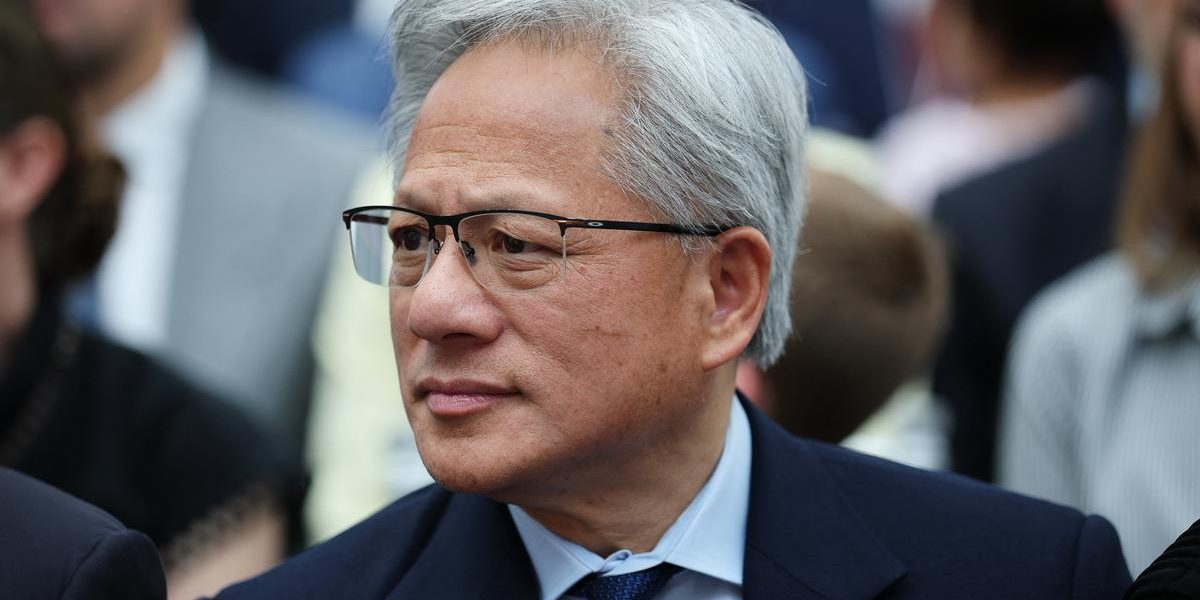
The world of technology was rocked on Thursday when Nvidia, the American chipmaking giant, announced the immediate resignation of its iconic chief executive, Jensen Huang. The decision, confirmed after a meeting of the company’s board of directors, sent shockwaves through the industry, given that Nvidia—the world’s second most valuable company—stands at the forefront of artificial intelligence development.
The resignation takes effect “immediately,” Nvidia said in a statement. Colette Kress, currently the group’s chief financial officer, will assume interim leadership. “The board has initiated a search process to find a permanent CEO and will consider both internal and external candidates,” the company added.
“We will continue the work that has made Nvidia a leader in accelerated computing and AI, and we will seize the opportunities that arise. Our priority remains serving our customers, partners, developers and shareholders,” Kress said in the statement.
Nvidia’s board indicated that Huang was also stepping down from his roles as chairman and director. The board thanked the executive for his “invaluable” contribution to the company and to the industry.
A Scandal Rooted in Two Extramarital Affairs
The 63-year-old businessman, born in Taiwan and co-founder of Nvidia in 1993, had been under mounting pressure since early November, when revelations surfaced about an extramarital relationship with Chinese businesswoman Alice Huang, who is suspected of being a spy for Beijing.
Huang confirmed the relationship and apologized to his family. In response, the company launched “an independent investigation following recent reports that founder and CEO Jensen Huang had been the target of a foreign intelligence operation.”
On Wednesday, U.S. media reported that the executive was implicated in a second extramarital affair, this time with Kimberly Powell, a 48-year-old Nvidia vice president in charge of the group’s health division.
Market Turmoil and Mounting Losses
Since these revelations, the company’s stock has entered a period of turbulence. Shares have lost approximately 23% of their value over the past month, falling from $228 in mid-October to $174 on Wednesday, November 11. The decline has wiped more than $1 trillion off Nvidia’s market capitalization in just a few days.
The scandal has also taken on a political dimension in the United States, with concerns reaching the highest levels of government over the potential national security implications of the alleged foreign intelligence operation.
An Industry in Upheaval
The departure of Huang, one of the most recognizable figures in the technology sector, raises significant questions about Nvidia’s future direction at a time when the company is central to the global AI race. The board’s search for a permanent successor will be closely watched by investors, partners and governments alike.
The case has also reignited broader debates about corporate governance, cybersecurity and the personal conduct of senior executives in an era of increasingly sophisticated cyberattacks and espionage threats.