The Kremlin has brushed aside mounting comparisons between the upcoming trilateral meeting of the Chinese, Russian and American presidents and the landmark 1945 Yalta Conference, as European and Ukrainian officials voice alarm over what a “new Yalta” might mean for the continent’s future.
Presidents Xi Jinping, Vladimir Putin and Donald Trump are due to meet on Thursday, November 19, on the sidelines of the Asia-Pacific Economic Cooperation (APEC) summit in Shenzhen, southern China. The encounter has been widely dubbed “Yalta” in the international press and by some European and Ukrainian diplomats — a reference to the wartime conference where the soon-to-be victors carved Europe into spheres of influence.
Kremlin: Comparisons Have “Nothing to Do With Reality”
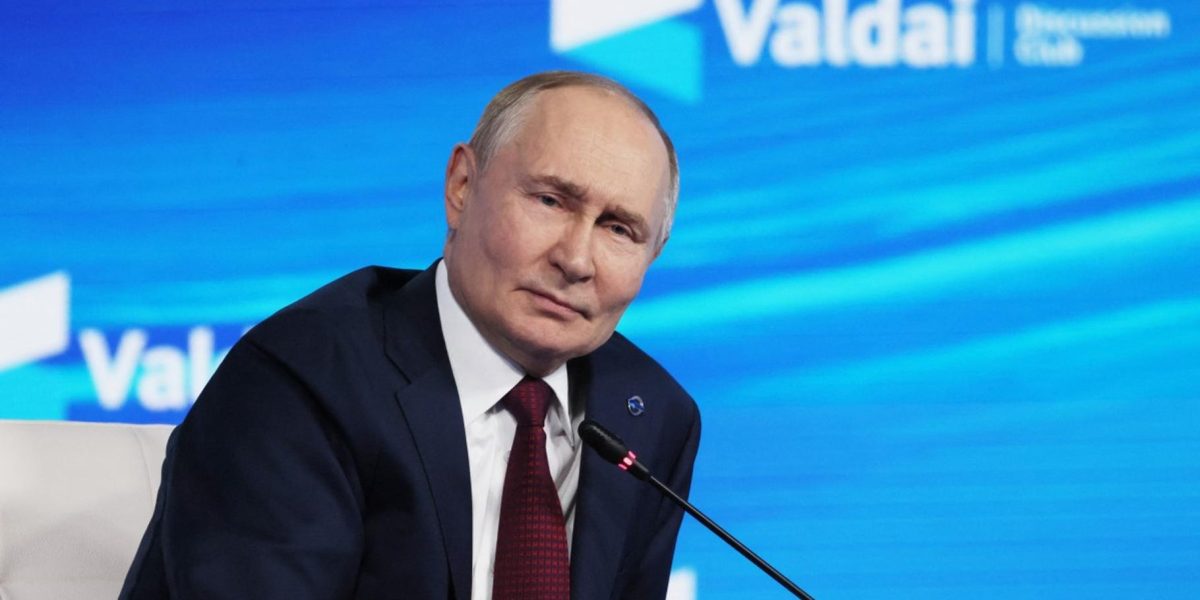
Dmitry Peskov, spokesman for the Russian presidency, rejected the parallel outright, according to Russian news agencies on the evening of Monday, November 16.
“All comparisons with Yalta are political science exercises that have nothing to do with reality,” Peskov said. “When it is said that certain parties are gathering to ‘decide the fate of the world,’ it is certainly not Russia and certainly not China. We do not want anyone deciding our fate for us, and we will never encroach on the right of others to decide their own.”
Beijing Promises “Historic” Talks
China’s foreign ministry confirmed the meeting would address some of the most sensitive issues on the global agenda. Spokeswoman Mao Ning said the three leaders would hold “in-depth exchanges on preserving world peace and promoting strategic stability in relations between major powers, which will be of historic significance.”
Senior Chinese and American diplomats have suggested the trilateral discussions could touch on nuclear arms control — a prospect that has heightened anxiety in European capitals and Kyiv.
Europe and Ukraine Fear a Carve-Up
The specter of a “new Yalta” looms large over Europe and Ukraine, which fear Russia may seek to impose a settlement reminiscent of the 1945 conference, where the leaders of the Soviet Union, the United States and the United Kingdom shaped the continent’s future and laid the groundwork for the Cold War.
The Kremlin has also raised the possibility of a bilateral meeting between Trump and Putin, according to Russia’s TASS agency, though it said the details of any such encounter had not been finalized.
Overnight Strikes on Kyiv and Crimea
The summit comes amid continued fighting, with attacks persisting through the night of Monday to Tuesday in both Ukraine and Russia.
Kyiv targeted the Crimean Bridge for a second consecutive night, while Moscow struck two major bridges in the Ukrainian capital. According to Kyiv mayor Vitali Klitschko, critical infrastructure was damaged and water and heating supplies were disrupted.
In a statement on Telegram, Russia’s defense ministry claimed 1,441 Ukrainian drones had been shot down overnight — a figure it described as a record for September. According to the Russian government, the drones were intercepted over more than 20 Russian regions, including Crimea and the Moscow region.
Moscow said an emergency meeting “will be held shortly” following the latest attack on the Crimean Bridge.
Zelensky Pins Hopes on Diplomacy
On Monday, Ukrainian President Volodymyr Zelensky said in a message on X that “diplomatic efforts” were “actively underway” between Ukrainian, American and European negotiators to secure a “dignified end to the war” and “security guarantees for Ukraine.”
Yet the prospect of talks between China, Russia and the United States is unlikely to reassure the Ukrainian president, whose country’s future could be shaped by decisions taken in a room where Kyiv has no seat.