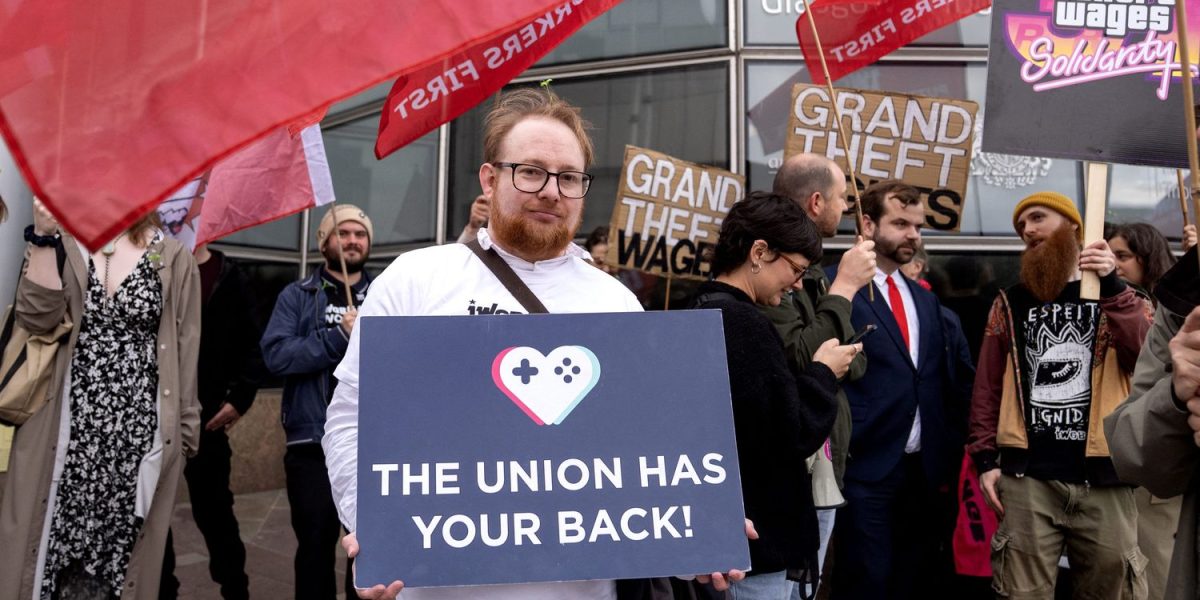
As players around the world await the release of the blockbuster GTA VI on 19 November, more than 1,600 British employees at Rockstar Games are voting on whether to formally recognise a union. The ballot, running from 12 to 26 November, would establish the Rockstar Game Workers Union, the product of four months of negotiations with studio management.
If approved, it would become the largest union in the UK video game industry, according to the Independent Workers’ Union of Great Britain (IWGB).
A Contentious Backdrop
The announcement comes amid heightened tensions. Twenty-three employees are suing Rockstar Games in Scotland, the birthplace of the GTA franchise, alleging the American company dismissed them in October 2025 because of their union activity. The studio contends that the workers leaked confidential information, including details about the sixth instalment of GTA.
The agreement put to a vote “would establish a framework allowing workers to negotiate pay, including overtime and bonuses, as well as holidays and pensions, and would give them consultation rights over HR policies and the use of AI,” the IWGB explained. The new Rockstar union would affiliate with the IWGB.
“We deeply care about the games we create, and we want to ensure we can continue doing this work in an environment where we are respected, where we have a meaningful say in our conditions and can feel secure about our future,” said Nestor Uriate, an animation programmer and representative of the Rockstar Game Workers Union.
Jennifer Kolbe, Rockstar’s head of publishing, told Bloomberg in October: “We are following the will of the team, so if [employees] want a union, they will have a union.”
The ‘Crunch’ Question
Employees are particularly determined to address the issue of “crunch” — the intense periods of work before a game’s release. “The basis of crunch is going beyond normal working hours, which leads to what is called overwork,” said Flavie Falais, a doctor of cultural history who studies the evolution of the industry. “It also raises the question of how those hours are paid. Today it is somewhat more accepted that they should be paid, but that is not always the case. Some people have found themselves working for free on their management’s orders.”
The practice is widespread across the industry, in large studios and smaller ones alike, in the United States and Europe. “Generally, it means working later in the evening or on weekends, or cancelling holidays already booked, or refusing to grant leave,” Falais said.
What stands out in this mobilisation “is the scale — it involves more than 1,500 employees, which is significant,” she noted, “but also that it concerns the Rockstar North division in Edinburgh, one of the last major giants of the industry.”
“We often picture video games as a labour of passion,” the specialist recalled. Yet “the video game industry is not a separate space of entertainment; it is also a space where workers are entitled to defend their hard-won rights.”