Nuclear Talks Continue Amid Military Posturing
Iran has firmly rejected any possibility of abandoning its uranium enrichment program, a core demand from the United States, declaring it will not relent “even in case of war.” This hardline stance comes following a first round of talks in Oman on Friday, which both sides described as positive, with discussions set to continue. However, Tehran insists it will only negotiate its civilian nuclear program, while Washington demands a broader agreement.
Diverging Red Lines and Regional Tensions
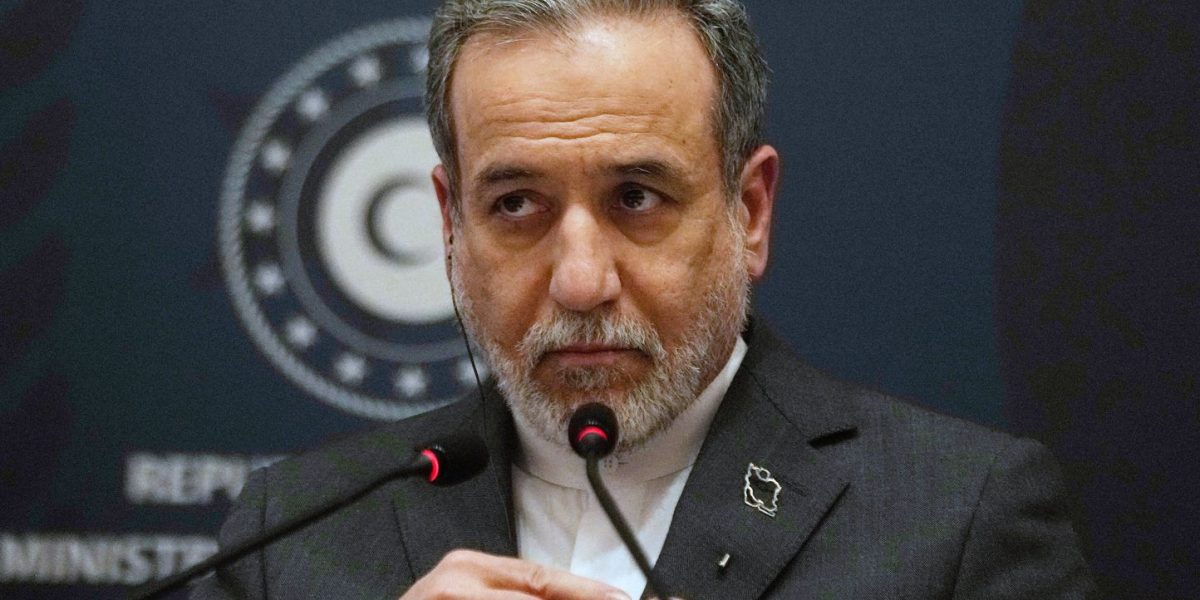
The United States, which has deployed a significant naval force to the Gulf, is pushing for a comprehensive deal that would also limit Iran’s ballistic missile capabilities and end its support for groups hostile to Israel. Israeli Prime Minister Benjamin Netanyahu, who will visit Washington this week, has demanded these issues be included in any negotiation. Iran’s Foreign Minister, Abbas Araghchi, countered by questioning the “seriousness” of the US in pursuing genuine talks and stated that Iran’s ballistic program is “a defense issue” and non-negotiable.
A Test of Diplomacy and Deterrence
Minister Araghchi reiterated that Iran could consider “a series of confidence-building measures concerning the nuclear program” in exchange for the lifting of crippling international sanctions. Yet, he emphasized that the US military deployment “does not frighten us.” This follows a visit by US envoy Steve Witkoff to the USS Abraham Lincoln, where he underscored President Trump’s “message of peace and strength.” President Trump has previously threatened military intervention, both in response to Iran’s domestic crackdown and to pressure it into a deal.
Path Forward Remains Uncertain
While the Omani talks were hailed as a “step forward” by Iranian President Massoud Pezeshkian and described as “very good” by President Trump, significant obstacles remain. Araghchi acknowledged there is “still a long way to go to build trust.” The coming days will be critical as both nations assess whether diplomacy can prevail over escalating military threats and deeply entrenched positions.