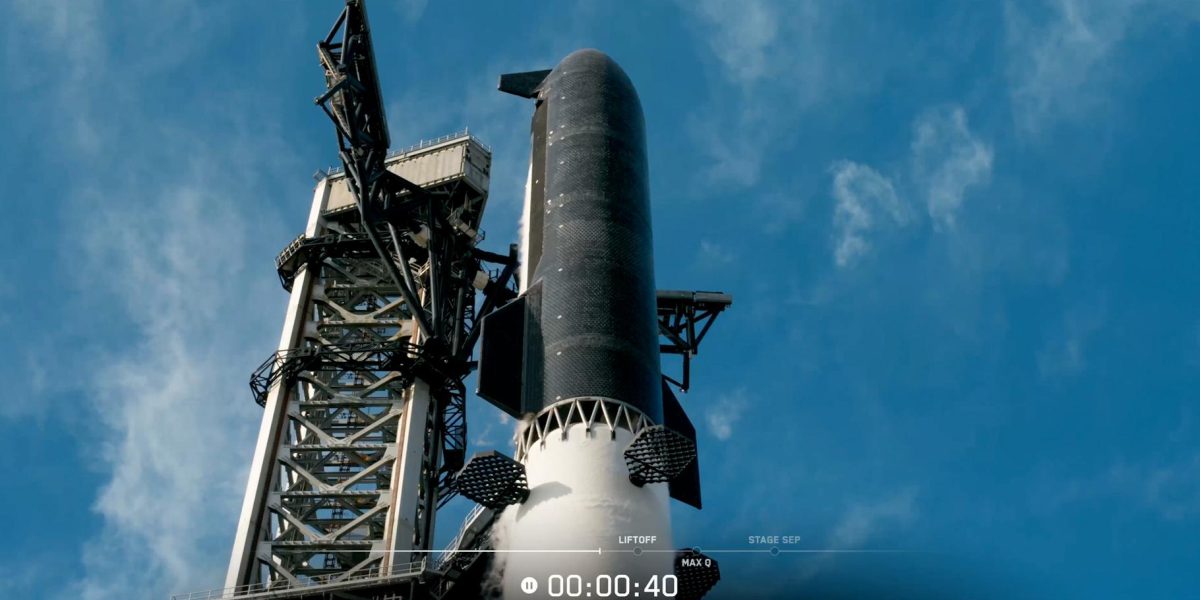
The highly anticipated test flight of SpaceX’s next-generation Starship rocket was dramatically halted seconds before liftoff on Monday, marking a tense setback for Elon Musk’s space venture just weeks before its blockbuster initial public offering. Engineers were forced to scrub the launch after a critical hydraulic pin in the launch tower’s support arm failed to retract, preventing the massive vehicle from being released.
The launch countdown was a rollercoaster of holds and resumptions before mission controllers ultimately called off the attempt. “New rocket, new launch pad: we are learning a lot about these systems as we use them for the first time, and we simply weren’t able to resolve all these issues in the final seconds before launch,” SpaceX spokesman Dan Huot explained during the live webcast.
A Last-Minute Mechanical Failure
Elon Musk later took to social media to provide a technical explanation for the scrub. “The hydraulic pin holding the tower arm in place didn’t retract,” he posted, adding that a new launch attempt could occur the following day if the issue “can be fixed overnight.” The towering 124-meter rocket, an upgraded version of the previous model, remained grounded as engineers assessed the fault.
High Stakes Ahead of a Massive IPO
The delay arrives at a critical juncture for the aerospace manufacturer. SpaceX is preparing for a monumental public listing, with documents filed with the U.S. Securities and Exchange Commission (SEC) revealing the company’s financials for the first time. A successful flight was intended to demonstrate the reliability of the rocket’s improvements, which are integral to future NASA lunar missions under the Artemis program.
The flight plan was ambitious. The mission aimed to deploy a batch of Starlink satellite simulators and test the vehicle’s upgraded heat shield before a planned splashdown in the Indian Ocean. This test was the 12th flight of the Starship system and the first in seven months, making the eleventh-hour abort a significant operational disappointment.
Mars Colonies and Billion-Dollar Bonuses
The pressure to succeed extends beyond the immediate financial horizon. SEC filings also disclosed two massive compensation plans for Musk. The full payout, which could increase his fortune by at least $130 billion, is contingent upon extreme milestones, including the establishment of a self-sustaining colony on Mars with a minimum of one million inhabitants. For now, the immediate goal remains more grounded: getting the upgraded Starship safely off the launch pad.