Iran and the United States have commenced a second round of indirect negotiations near Geneva, aiming to de-escalate tensions and avert potential military conflict. The talks, mediated by Oman, began Tuesday with Iranian state television reporting the exchange of messages between the two long-time adversaries.
Shrouded Diplomacy and Cautious Optimism
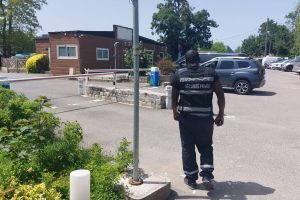
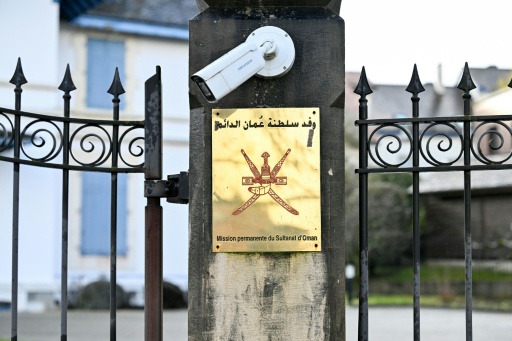
The discussions are being held away from public view at an Omani residence in Cologny, near Geneva. Access is restricted by diplomatic police, with journalists kept behind barriers approximately 50 meters from the venue. This follows an initial round of dialogue in Muscat, Oman, on February 6.
Iranian Foreign Ministry spokesman Esmaeil Baqaei struck a cautiously optimistic note ahead of the talks, stating, “We can prudently conclude that the American position on the Iranian nuclear issue has become more realistic.” However, US President Donald Trump maintained pressure, confirming his indirect participation and warning, “I don’t think they want to face the consequences of not making a deal.”
Military Maneuvers Underscore Stakes
Parallel to the diplomatic efforts, both nations are engaged in military posturing. Iran’s Revolutionary Guards conducted exercises involving boats, helicopters, drones, and missiles in the strategic Strait of Hormuz on Monday. Meanwhile, the US maintains a naval presence in the region, with an aircraft carrier stationed approximately 700 kilometers off the Iranian coast and another prepared to deploy.
Iranian Foreign Minister Abbas Araghchi, who arrived in Switzerland on Monday, emphasized his country’s “determination” to pursue “results-oriented diplomacy to guarantee the interests and rights of the Iranian people and peace and stability in the region.”
Diverging Agendas and Core Demands
The scope of the negotiations remains a point of contention. While Iran seeks to focus discussions solely on its nuclear program and the lifting of US sanctions, Washington—supported by Israel—insists the agenda must also include limits on Iran’s ballistic missile program and an end to its support for regional armed groups.
On the nuclear issue, Iran has indicated a willingness to compromise on its stockpile of highly enriched uranium, estimated at over 400 kg, contingent on the removal of punitive US sanctions. The Iranian economy is grappling with hyperinflation and a severely depreciated currency, intensifying pressure on Tehran to secure sanctions relief.
A Regional Powder Keg
The talks occur against a backdrop of deep regional suspicion. Western powers and Israel, considered the Middle East’s sole nuclear power, suspect Iran of pursuing nuclear weapons—a claim Tehran consistently denies. Iran asserts its “inalienable right” to develop a civilian nuclear program, including uranium enrichment, under the Nuclear Non-Proliferation Treaty (NPT).
President Trump has previously threatened “traumatizing” consequences for Iran if no agreement is reached, even hinting at the potential for regime change. Minister Araghchi responded defiantly on social media, stating that “submission to threats is not on the table,” and asserting he was in Switzerland “with real ideas to reach a fair and equitable agreement.”
The US delegation is led by envoy Steve Witkoff and presidential advisor Jared Kushner. The outcome of these closed-door talks will significantly influence the prospects for regional stability and the future of the Iranian nuclear dossier.