Security agents for France’s SNCF and RATP public transport operators will be equipped with electroshock weapons, known as Tasers, on an experimental basis, Transport Minister Philippe Tabarot announced on Thursday. A decree formalizing the measure was published the same day.
Experimental Rollout with Initial 10% of Agents
The authorization to carry these “non-lethal” weapons is granted “on an experimental basis for a period of three years from the date of entry into force,” states the decree published in the Official Journal. Minister Tabarot clarified that the rollout will be gradual.
“Initially, 10% of railway police agents will be equipped in the coming weeks,” he said, representing approximately 300 to 400 officers. The measure aims to provide a “proportionate response” to delinquency in public transport, with the minister stating that “the use of Tasers” can contribute to this goal.
A Response to Public Demand for Safety
“Our fellow citizens are asking us for security in transport,” declared the minister. He emphasized the need for law enforcement to “be able to protect themselves and protect users.” The Ministry pointed to international examples, noting that “in some countries, the Taser has proven its effectiveness,” such as in the UK where security forces used one to subdue a man who injured eleven people in a knife attack on a train last November.
Implementation and Evaluation Process
In France, the measure will come into effect after the publication of an order specifying the precise terms and following prior training for the agents concerned, the ministry told AFP. “At the end of the process, an evaluation of the system will be carried out,” the source added.
Individual Authorization for Already Armed Agents
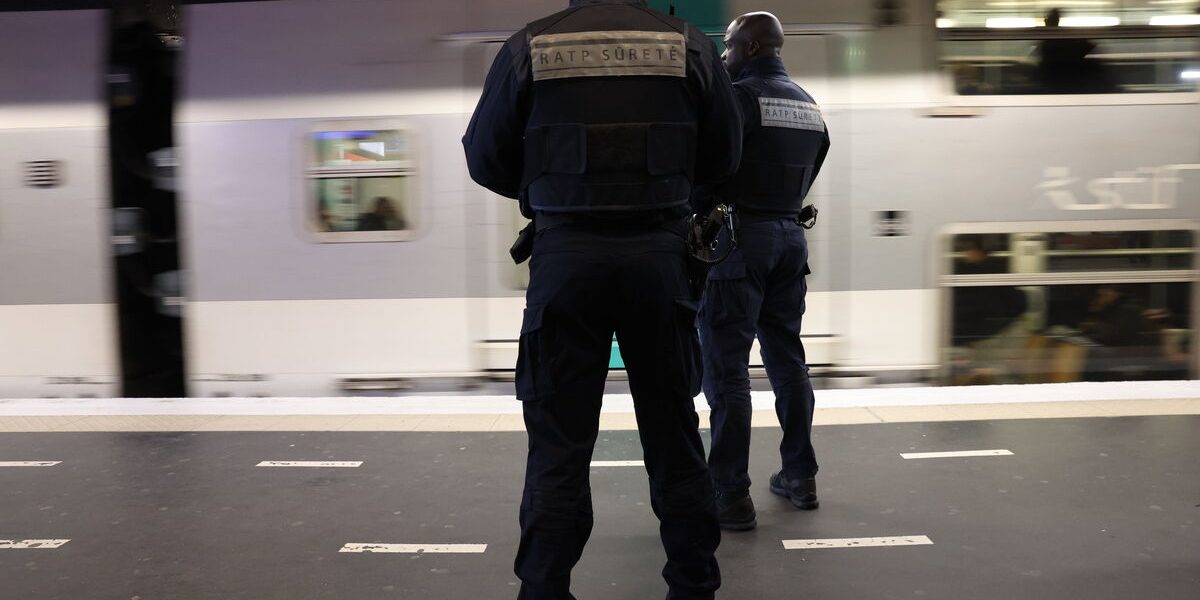
The SNCF has 3,000 officers in its internal railway police service (SUGE), while the RATP has about a thousand agents in its Network Protection and Security Group (GPSR). All are sworn and trained officers already authorized to carry lethal firearms. However, carrying an electroshock pistol will be subject to “individual authorization.”
This provision was initially included in the law of April 28, 2025, on security in Transport, originally championed by Philippe Tabarot when he was a senator, but it was censured on a technicality by the Constitutional Council on April 24, 2025.