GENEVA — High-stakes negotiations between the United States and Iran over Tehran’s nuclear program concluded Thursday without a breakthrough, but mediators pointed to significant progress as both sides agreed to resume technical talks next week in a bid to de-escalate soaring tensions.
The indirect talks, described by participants as some of the most serious in years, unfolded against a backdrop of a massive U.S. military buildup and repeated threats from President Donald Trump, who has warned of “really bad things” if no deal is reached. The latest diplomacy is widely seen as a final chance to avoid a military confrontation.
Oman Cites ‘Significant Progress,’ Plans for Vienna
Omani Foreign Minister Sayyid Badr Albusaidi, who mediated the sessions in Geneva, stated the parties made “significant progress” and plan to reconvene soon after consultations in their respective capitals.
“We have finished the day after significant progress in the negotiation between the United States and Iran,” Albusaidi said in a post on X. Technical-level discussions are scheduled for next week in Vienna.
Iran Demands US Drop ‘Excessive Demands’
Following the talks, Iranian Foreign Minister Abbas Araqchi stated that for a deal to be possible, Washington must abandon its “excessive demands.” In a call with Egypt’s foreign minister, Araqchi said success “requires seriousness and realism from the other side and avoidance of any miscalculation.”
While not specifying the demands, Iranian officials have consistently objected to U.S. insistence on linking Iran’s ballistic missile program and regional activities to the nuclear negotiations. Araqchi confirmed that Iran’s core demand remains the lifting of U.S. sanctions.
Core Stumbling Blocks Remain
Despite the reported progress, fundamental disagreements persist. The U.S. seeks for Iran to abandon all uranium enrichment—a process that can yield nuclear fuel or weapons-grade material. Iran, which denies seeking a bomb, demands the right to enrich and the removal of sanctions as a precondition.
A senior Iranian official told Reuters that a framework deal might be possible if Washington separated “nuclear and non-nuclear issues,” a reference to the missile program. U.S. Secretary of State Marco Rubio has called Iran’s refusal to discuss its missiles a “big problem.”
Regional Tensions at Boiling Point
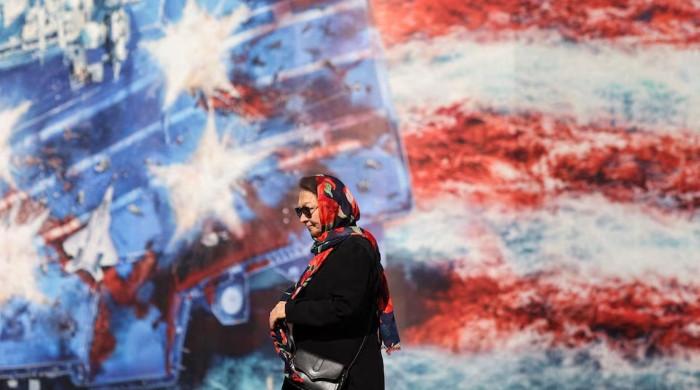
The talks occur amid fears of a wider Middle East conflict. President Trump has threatened military action and deployed fighter jets and carrier groups to the region. Iran has vowed fierce retaliation if attacked, a scenario that alarms Gulf oil producers.
Within Iran, Supreme Leader Ayatollah Ali Khamenei faces severe domestic pressure from an economy buckling under sanctions and renewed protests. President Masoud Pezeshkian reiterated Thursday that Khamenei has issued a religious ban on weapons of mass destruction.
With the next round of talks slated for Vienna, the diplomatic window remains open, but narrowly. The world watches to see if progress can be converted into a deal that pulls the region back from the brink of war.