A History of Hospitality, A Plea for Reciprocity
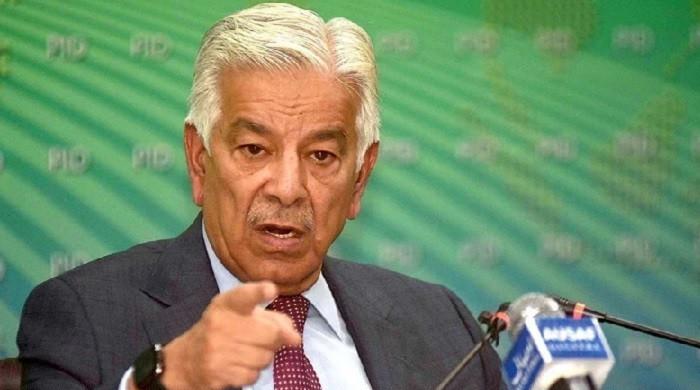
In a forceful public address, Pakistan’s Defence Minister Khawaja Asif delivered a pointed history lesson to Afghanistan’s Taliban leadership, recalling decades of Pakistani support while demanding an immediate end to the use of Afghan soil for attacks against Pakistan.
The minister’s message, directed at Taliban Interior Minister Sirajuddin Haqqani, juxtaposed Pakistan’s past role as a sanctuary with the current reality of cross-border militancy. “We hosted Haqqani and his family, along with millions of Afghan refugees,” Asif stated, emphasizing that many refugees continue to live and work in Pakistan.
From Strategic Ally to Accused Accomplice
Asif outlined the shifting dynamics of the relationship, noting Pakistan’s “heart and soul” support for Afghan fighters during the Soviet-Afghan war, a campaign he said was shaped by U.S. objectives. He highlighted the post-9/11 period where Pakistan facilitated NATO logistics, only to later face allegations from the same allies of facilitating the Haqqani network.
“We were asked about your location. Do you remember?” Asif questioned, urging Afghan leaders to clarify the truth of past accusations against Islamabad.
A Plea for Peace and a Clear Warning
The minister expressed profound disappointment that Pakistan’s hospitality was now being repaid with violence. “Why are you sheltering those who kill our innocent children and people?” he asked, alleging that militants targeting Pakistan are being protected as allies in Afghanistan.
Asif revealed that during a visit to Kabul, he requested Afghan leaders not to align with hostile groups and even offered potential financial assistance, but received no guarantees. He appealed to the historical respect associated with the Haqqani name, urging honorable conduct.
- Pakistan hosted millions of Afghan refugees for decades.
- Islamabad supported anti-Soviet mujahideen, including Haqqani’s faction.
- Current Taliban regime is accused of harboring militants attacking Pakistan.
- Asif warns against allowing Afghan territory to be used as a launchpad for attacks.
“Live Peacefully in Your Own Home”
The minister concluded with a direct appeal and a stern warning. “We ask nothing from you. Live peacefully in your own home and let us live peacefully in ours,” he said, invoking cultural and religious teachings on the sanctity of refuge.
He made Pakistan’s red line unequivocally clear: “Let them be hosted in your country if you wish, but do not play the role of our enemy by allowing your soil to be used against us.” The statement underscores the severe strain in bilateral relations, with Pakistan demanding tangible action from Kabul to secure their shared border.