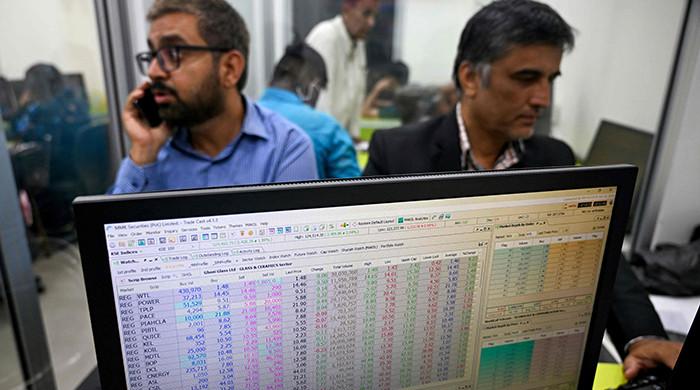
Market Sees Worst Single-Day Fall Ever
The Pakistan Stock Exchange (PSX) suffered its most severe single-day collapse on record Monday, with the benchmark KSE-100 Index plummeting 16,089.17 points, or 9.57%, to close at 151,972.99. The dramatic fall, triggered by escalating military conflict between the United States, Israel, and Iran, prompted a trading halt and sent shockwaves through the financial sector.
Panic Selling Halts Trading
The session opened with a loss exceeding 15,000 points, forcing the exchange to suspend trading for approximately 45 minutes under its risk-management rules. “Due to panic selling, PSX fell 9%. Leveraged positions coupled with Iran and Afghanistan situations added fuel to the fire,” said Mohammed Sohail, CEO of Topline Securities. Independent analyst AAH Soomro described the scene as “panic mode,” suggesting volatility could persist for days.
Geopolitical Shockwaves Drive Global Sell-Off
The market crash mirrors global turmoil following military strikes on Iran, which reportedly resulted in the death of Supreme Leader Ayatollah Ali Khamenei and other officials. The conflict has effectively shut the vital Strait of Hormuz—a conduit for 20% of global seaborne oil—fanning supply fears and causing oil prices to spike. Brent crude briefly surged almost 14%.
Global markets reacted sharply:
- UAE and Kuwait stock markets closed temporarily.
- EUROSTOXX 50 futures fell 1.4%.
- DAX futures slid 1.3%.
- S&P 500 and Nasdaq futures both dropped 0.6%.
Economic Risks for Pakistan
Analysts warn Pakistan faces significant economic headwinds despite no direct involvement in the conflict. Topline Securities highlighted three primary risks:
- Higher Inflation: A 10% rise in crude oil prices could increase inflation estimates by 40–50 basis points.
- Ballooning Import Bill: Pakistan’s annual petroleum imports total $15–16 billion. Every 10% move in oil prices could add $1.5–1.6 billion to the import bill.
- Currency Pressure: The Pakistani rupee could face pressure from higher imports and regional uncertainty, though central bank reserves are currently seen as “comfortable.”
Market Valuation and Outlook
The steep decline has pushed the KSE-100 down nearly 19% from its peak of 189,000 points in January 2026. Topline Research notes the sell-off has brought market valuations to an “attractive level,” trading below 6.5x FY2027 price-to-earnings against a historic average of 6.9x. The firm suggests further weakness could create selective buying opportunities if volatility subsides, but cautions that market turbulence is likely to continue as the geopolitical situation evolves.