Kremlin Rejects Speculation on Military Aid
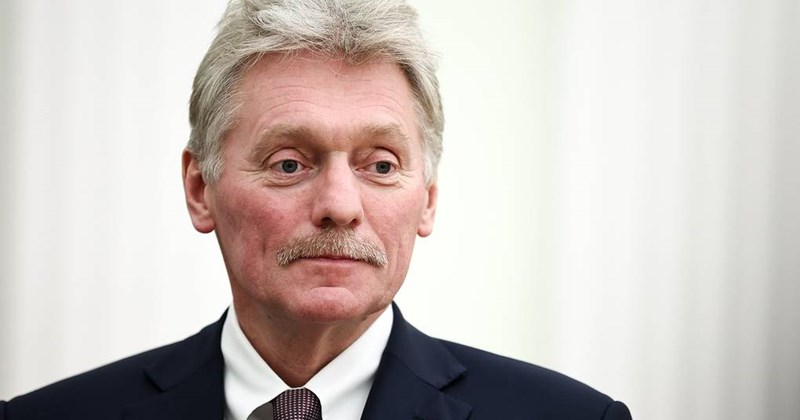
The Kremlin has firmly stated that Russia has not received any formal request from Iran for assistance, including the supply of weapons. Spokesman Dmitry Peskov addressed the issue during a press briefing on March 5, emphasizing Russia’s consistent and unchanged position. “Regarding the current situation, there is no request from Iran. Our consistent stance has been widely known. That stance remains unchanged,” Peskov declared when questioned about potential support beyond political backing.
Domestic Fuel Prices Shielded from Global Turmoil
Peskov also addressed the economic fallout from the ongoing military actions in the Middle East, asserting that the conflict has not triggered fuel price fluctuations within Russia. He stated that the government and the Federal Antitrust Agency (FAS) are actively monitoring the situation to ensure stability. “The international environment related to the conflict in Iran cannot and should not be a reason for any fluctuations in our fuel prices,” Peskov noted, highlighting the administration’s proactive oversight.
Background: Escalating Conflict in the Middle East
The statements follow a significant escalation that began on February 28, when the US and Israel launched a large-scale military campaign against Iran. The attacks targeted major cities, including Tehran, and resulted in the death of Iran’s Supreme Leader Ayatollah Ali Khamenei and other senior officials. In retaliation, the Iranian Islamic Revolutionary Guard Corps has struck targets in Israel and US military bases across several Gulf states.
The regional crisis has had wider repercussions:
- Maritime security has been compromised, with incidents including an oil tanker explosion in the Persian Gulf and an attack on a Russian gas tanker in the Mediterranean.
- Russia reports losing contact with Iranian nuclear leaders, with over 600 Russian citizens remaining at the Bushehr nuclear power plant.
- Global oil markets are experiencing volatility, threatening economic stability in Asia.
International Reactions and Broader Implications
The conflict continues to reshape international relations. The US has sought Ukraine’s expertise in countering Iranian UAVs, while also issuing temporary licenses for Indian refineries to purchase Russian oil. Meanwhile, the EU is considering financial mechanisms to support Ukraine and repair energy infrastructure, aiming to navigate complex diplomatic challenges with Hungary.
As the situation develops, Russia’s public denial of a weapons request and its focus on domestic economic insulation mark a clear strategic positioning amid the volatile geopolitical landscape.