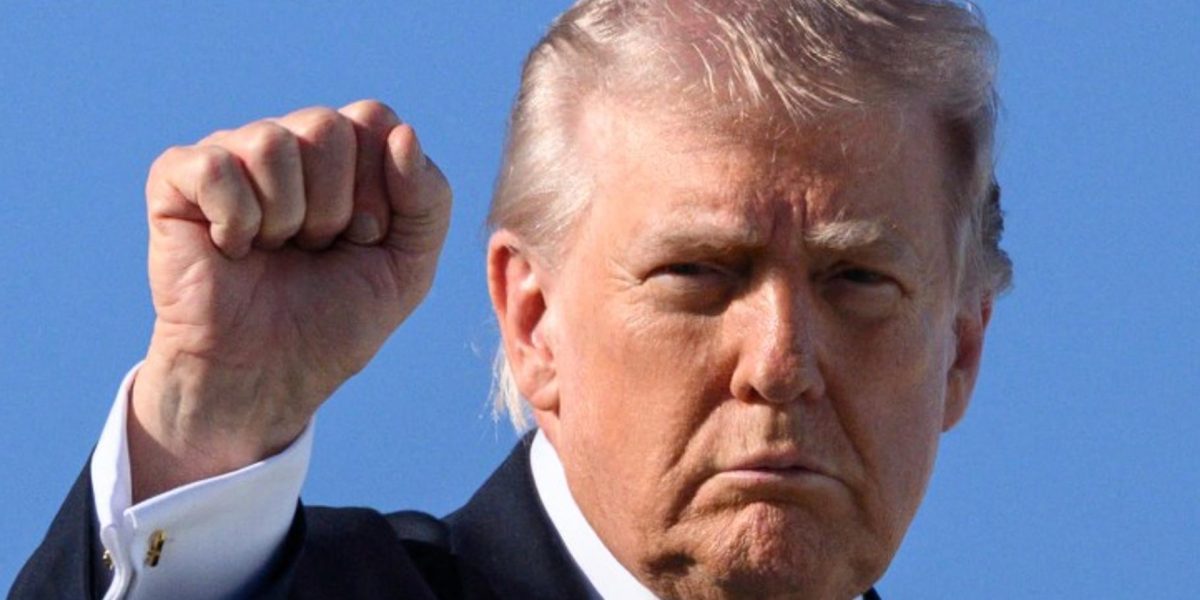
In a stark reversal, President Donald Trump stated on Saturday that he does not want Kurdish forces to launch an offensive against Iran, directly contradicting supportive comments made just days earlier. The shift underscores the volatile and complex U.S. approach to the ongoing conflict and the strategic use of proxy forces in the region.
A Rapid Reversal on Kurdish Involvement
“I do not want the Kurds to go,” President Trump told reporters aboard Air Force One, adding, “We have a very friendly relationship with the Kurds, you know, but we do not want to make this war more complicated than it already is.” This position directly opposed his statement in a Thursday interview with Reuters, where he said he was “absolutely for” an offensive by Iranian Kurdish militias against the Tehran government.
Regional Alarm and the “Kurdish Card”
The initial remarks triggered immediate concern from Turkey, a NATO ally. Turkish Foreign Minister Hakan Fidan warned against any attempt to “trigger a civil war in Iran by instrumentalizing ethnic or religious divisions,” calling it an “extremely dangerous scenario.” Analysts suggest the U.S. and Israel might be tempted to exploit Iran’s internal ethnic tensions, particularly by leveraging Kurdish groups, to pressure the Islamic Republic. The Kurdish people, stateless and spread across Turkey, Iraq, Syria, and Iran, have been long-time U.S. allies.
Denials and Ground Realities
While U.S. media reports suggested plans to arm Kurdish militias to foment an uprising, the White House denied such operations. Spokesperson Karoline Leavitt confirmed, however, that the President had “spoken with Kurdish leaders” about a U.S. military base in northern Iraq. Experts note Kurdish fighters appeal to Washington as “the most organized faction of the broader Iranian opposition movement,” according to researcher Mohammed Salih.
Strategic Calculations and Inherent Risks
“Given the direction operations in Iran are taking, the U.S. and Israel will really need an armed presence on the ground, given that they do not intend to send their own troops,” Salih assessed. Some strategists see potential for Kurdish forces to act similarly to the Northern Alliance in the 2001 Afghanistan war, creating a zone for U.S. special forces. However, observers warn that betting on ethnic groups risks sparking internal conflicts within Iran and could complicate long-term stability, especially as some Kurdish coalitions openly seek self-determination alongside regime change.