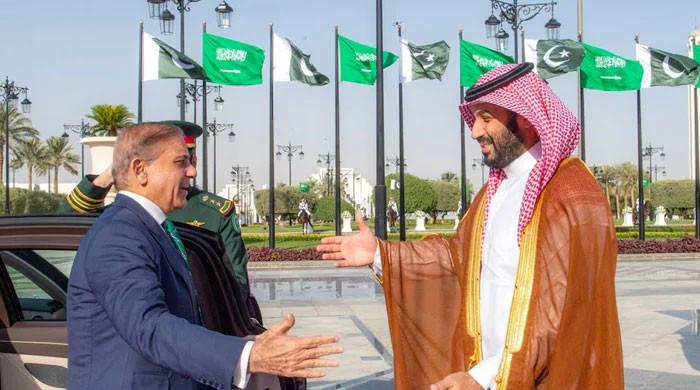
Pakistan has formally requested a substantial, long-term economic support package from Saudi Arabia, seeking to convert billions in short-term liabilities into extended credit and secure new financing mechanisms. The move comes as the country’s economic vulnerabilities are exacerbated by escalating geopolitical tensions in the Middle East.
Eight-Point Request for Long-Term Cooperation
According to official sources, Islamabad has presented Riyadh with eight specific requests under a proposed framework for enhanced economic cooperation. The most significant asks include the conversion of existing Saudi deposits worth $5 billion at the State Bank of Pakistan into a long-term facility with a 10-year tenure and favorable pricing. Simultaneously, Pakistan seeks to increase an existing oil facility on deferred payment from $1.2 billion to $5 billion, with a proposed repayment tenor extension from one to three years.
Innovative Financing and Guarantee Requests
Beyond traditional loans, Pakistan’s proposal includes innovative financial instruments. A key request is for the securitization of approximately $10 billion in remittances from the Pakistani diaspora. This mechanism is intended to immediately bolster foreign exchange reserves and reduce reliance on costly international borrowing.
Further requests aim to lower the cost of future capital. Pakistan has asked Saudi Arabia to consider providing a sovereign guarantee for any new international Sukuk (Islamic bond) issuances, which would allow Pakistan to raise funds at lower interest rates. The kingdom has also been asked to extend a concessional credit line to Pakistan’s newly established EXIM Bank to support export-led growth.
Broader Economic and Investment Asks
The list of requests extends into trade facilitation and fiscal policy. Islamabad has sought a waiver on bank guarantee requirements for import-related transactions with Saudi entities. It has also invited investment from Saudi Arabia’s Public Investment Fund (PIF) to explore opportunities within Pakistan.
In a nod to ongoing negotiations with the International Monetary Fund (IMF), Pakistan has requested Saudi assistance in advocating for adjustments to primary surplus targets within its $7 billion Extended Fund Facility program. This would help accommodate proposed domestic tax rationalization measures.
Geopolitical Tensions Amplify Economic Pressure
Officials cite the ongoing US-Israel-led conflict with Iran as a primary factor multiplying Pakistan’s economic challenges. The regional instability has triggered volatility in global oil markets and shaken investor confidence, impacting Pakistan’s stock market and complicating its IMF review process.
The response from Saudi authorities to Pakistan’s comprehensive request list remains pending. When contacted for comment, Pakistan’s Ministry of Finance and State Bank did not provide an immediate official response.