Intensifying Conflict and Regional Fallout
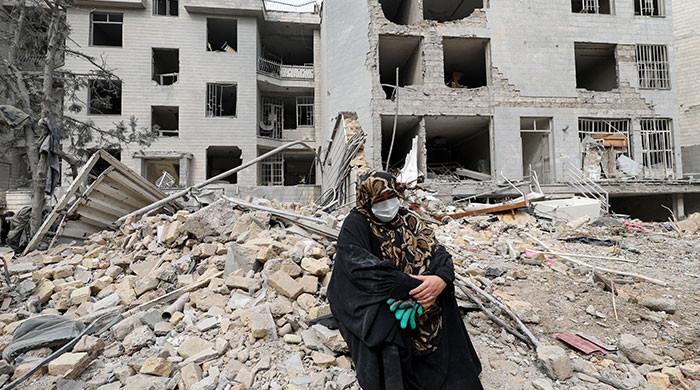
The Middle East faces a severe escalation as joint United States and Israeli military operations against Iran continue, marking a significant expansion of the regional conflict. The situation has triggered a complex web of military actions, diplomatic maneuvers, and humanitarian crises across several nations.
Military Developments and Casualties
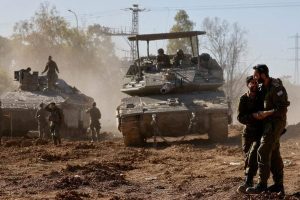
Recent reports indicate Israel has entered a new phase of its assault, targeting Iranian Revolutionary Guard Corps (IRGC) checkpoints within Iran using intelligence from local informants. This strategy aims to degrade Iran’s elite military forces. Concurrently, the conflict has spread to maritime domains; a US submarine attack off the coast of Sri Lanka resulted in the sinking of the Iranian frigate IRIS Dena, killing 84 sailors. Sri Lanka has since repatriated the remains of the deceased servicemen.
On the US side, the war effort has reportedly consumed years’ worth of munitions stockpiles in a short period. A separate incident saw a US military KC-135 aircraft crash in Iraq, with all six crew members confirmed dead, prompting a rescue and recovery operation.
Threats, Warnings, and Nuclear Concerns
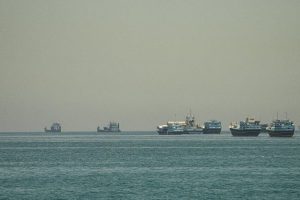
Iran has vowed a “crushing” response to attacks on its energy infrastructure, while US President Donald Trump has announced intentions to intensify strikes “very hard over the next week.” The US Defense Secretary stated that Washington possesses a “range of options” concerning Iran’s nuclear weapons program, with a key military objective being the destruction of Iran’s navy to secure the vital Strait of Hormuz for global energy flows.
Retaliatory strikes have reached Israeli soil, with reports of explosions and smoke near Tel Aviv following warnings of Iranian missile launches. Initial searches found no casualties.
Diplomatic Efforts and International Reactions
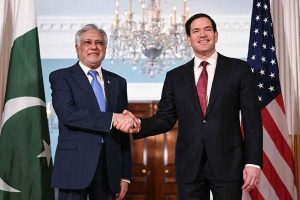
Amid the violence, diplomatic channels are active. Pakistan’s Prime Minister undertook an emergency visit to Saudi Arabia following a call with Iran’s president, part of intensified efforts to de-escalate tensions. Meanwhile, Russia and China have criticized the United States for provoking regional instability. In a notable comment, President Trump suggested Russian President Vladimir Putin might be providing some level of assistance to Iran.
Humanitarian Crisis and UN Appeal
The conflict’s ripple effects are exacerbating humanitarian disasters. United Nations Secretary-General Antonio Guterres launched a $325 million flash appeal to support Lebanon, which is grappling with a displacement crisis caused by the war between Hezbollah and Israel. The funds are intended for life-saving assistance over the next three months.
As the conflict enters its third week, the region braces for further military action and diplomatic scrambling, with the potential for continued escalation remaining high.