Cuba was plunged into darkness on Monday as the national electricity grid suffered a total disconnection, triggering a widespread blackout across the island. This latest outage adds to a severe and ongoing energy crisis, with nearly two-thirds of the territory having already experienced power cuts earlier in March.
An Island Under an Energy Blockade
The blackouts occur against a backdrop of acute energy scarcity. Since January 2026, Washington has imposed an energy blockade, halting crucial oil shipments from Venezuela—Cuba’s main supplier. The Trump administration has further threatened to sanction any country that sends fuel to Havana. With its supply strangled, the nation of 9.6 million inhabitants has been forced to ration gasoline and scale back economic activity.
Trump’s Provocative Remarks
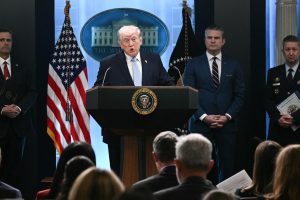
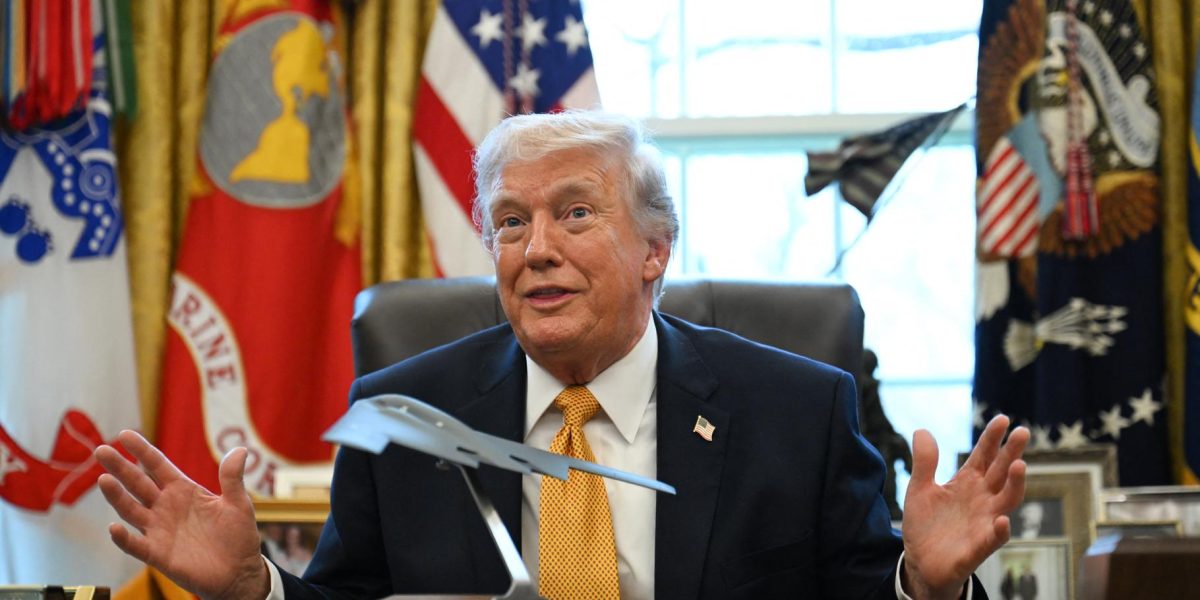
Amid this growing fragility, President Donald Trump made strikingly aggressive comments. When questioned at the White House, he openly discussed the possibility of “taking” Cuba.
“I think I will have the honor of taking Cuba,” Trump told reporters. “Whether to liberate it or take it… I think I can do what I want with it.” He described the island as “a very weakened nation.”
Havana Seeks Economic Lifeline
Confronted with the dual economic and energy crisis, the Cuban government appears to be seeking a new path. Authorities are set to announce the opening of certain economic sectors to foreign investment, including from Cubans living abroad.
“Cuba is open to a fluid trade relationship with American companies, but also with Cubans residing in the United States and their descendants,” stated Vice Prime Minister Oscar Pérez-Oliva Fraga on Monday. The goal is to allow exiles to invest in private enterprises on the island.
However, these plans face a major obstacle: the longstanding US embargo, which severely restricts American investment in Cuba.
Backchannel Talks and a Demand for Leadership Change
Despite public tensions, discussions between the two nations are reportedly ongoing behind the scenes. Cuba has confirmed it is in talks with Washington and recently released several political prisoners as part of a deal mediated by the Vatican.
Trump also acknowledged negotiations are underway. “Cuba wants to make a deal,” he said Sunday aboard Air Force One. “I think very soon either we’ll make a deal or we’ll do what we have to do.” He did not elaborate on what that action might entail.
Furthermore, as revealed by The New York Times, the Trump administration is pushing for Cuban President Miguel Diaz-Canel to leave power. Citing sources close to the meetings, the report states that American officials have told Cuban negotiators the president must go, leaving it to Cuba to decide what comes next.