Global oil markets are experiencing severe volatility as the conflict in the Middle East enters its third week. On Tuesday, prices accelerated sharply, with Brent crude, the international benchmark, surging by approximately 5%. This rebound follows a nearly 3% drop the previous day, highlighting the market’s extreme sensitivity to regional developments.
Drone Attacks and Supply Disruptions
The immediate catalyst for Tuesday’s spike was a new drone attack on the Fujairah oil industrial zone on the east coast of the United Arab Emirates. Local authorities confirmed the strike caused a fire. This facility, located just outside the critical Strait of Hormuz, had already been targeted a day earlier, prompting the national oil company ADNOC to suspend crude loadings from the site.
These incidents compound existing fears over a blockade of the Strait of Hormuz, a strategic chokepoint through which about one-fifth of the world’s seaborne oil passes. Maritime traffic in the area remains largely paralyzed, severely disrupting global supply chains.
International Response and Market Uncertainty
In response to the growing crisis, the International Energy Agency (IEA) stated it is prepared to release more oil from strategic reserves “if necessary.” This follows last week’s decision to tap 400 million barrels, with Japan already beginning to draw down its stocks. However, these measures have so far failed to calm the markets.
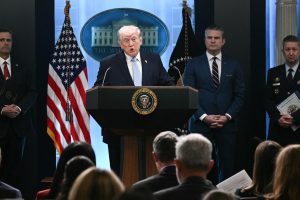
Geopolitical tensions are further inflamed by diplomatic friction. U.S. President Donald Trump reiterated calls for Gulf-dependent nations to help secure the Strait of Hormuz, criticizing some countries for being unwilling “to get involved.”
French Consumers Feel the Pinch at the Pump
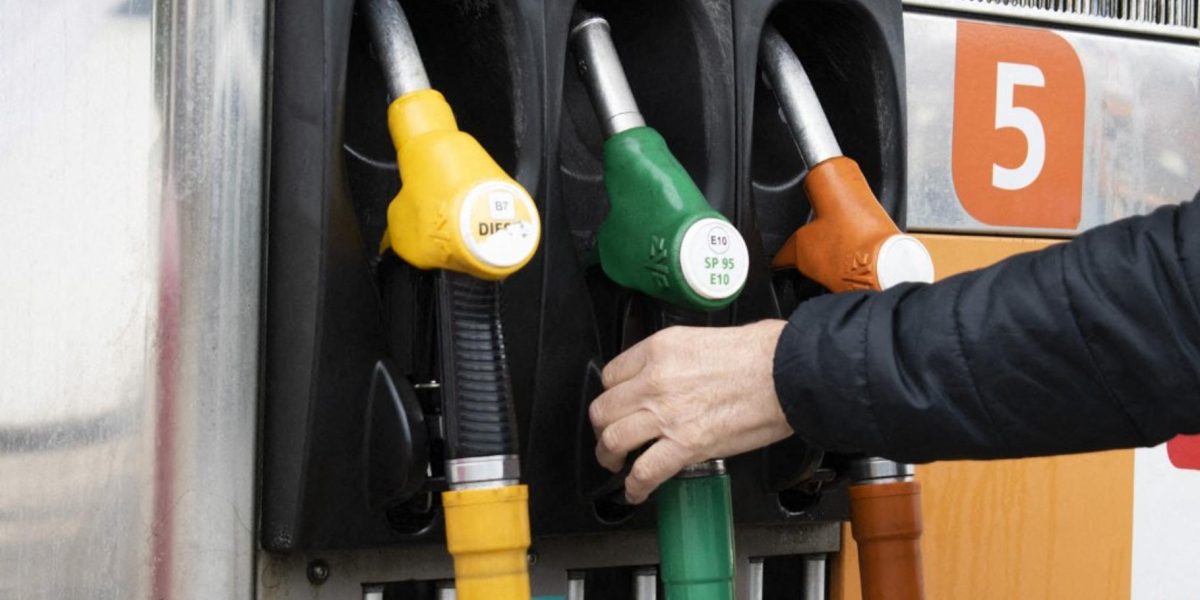
The instability is translating directly into higher fuel costs for consumers. In France, pump prices continued their climb last week:
- Diesel rose by an average of 6.5 cents, reaching €2.01 per liter.
- SP95-E10 increased by 7.3% to €1.8649 per liter.
- SP95 rose 5.5% to €1.8979 per liter.
- SP98 increased 6.2% to €1.9609 per liter.
Political Pressure Mounts Over Fuel Prices
The price surge has sparked a public blame game between retailers and the French government. Thierry Cotillard, head of the Intermarché group, urged the state to “reduce its margin” to curb prices, arguing that “the state must above all take its responsibilities.” Similarly, Dominique Schelcher, CEO of Coopérative U, claimed last week that the state is the “big winner” from rising fuel costs, as “more than 51% of the price you pay at the pump goes directly into the state’s pockets.”
The Ministry of the Economy countered, clarifying that only the Value-Added Tax (VAT), fixed at 20%, increases with the base price—not the domestic tax on energy products (TICPE). A recent meeting between the ministry and fuel distributors concluded without any agreement on potential price controls, leaving consumers facing continued uncertainty.