Civilian Casualties and Infrastructure Attacks Mark Dangerous New Phase
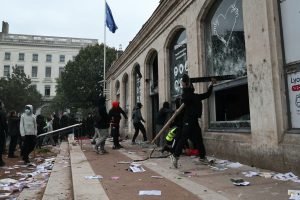
A significant escalation in Middle East hostilities unfolded on March 19, 2026, as a US-Israeli attack struck a residential area in western Iran, while Iranian forces launched retaliatory strikes against critical energy infrastructure across the Gulf.
According to Iran’s Tasnim news agency, a local security official reported that the assault on the Dorud region killed at least 12 people and injured 116 others. This direct attack on Iranian territory represents a major intensification of the conflict.
Iranian Retaliation Targets Gulf Economies
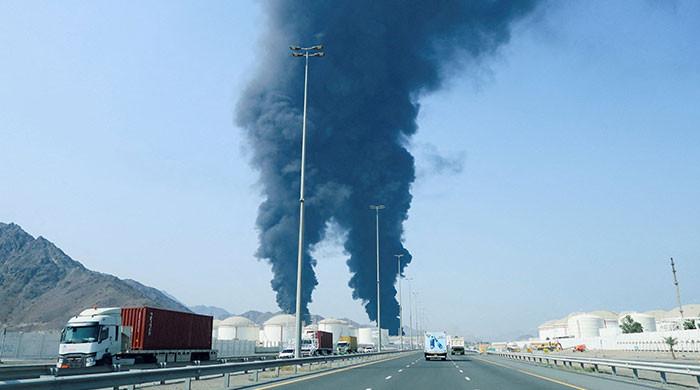
In response, Iran carried out its threat to target energy infrastructure. Qatar’s state-run energy firm reported “extensive damage” at the country’s main gas hub following two waves of Iranian strikes. Former US President Donald Trump issued a warning to Iran against further attacks on the facility.
Additional Gulf states came under fire. Saudi Arabia’s critical Red Sea port of Yanbu, currently its only crude export outlet, was targeted in an aerial attack. An industry source confirmed the strike but noted minimal operational impact. Meanwhile, Kuwait’s military engaged hostile missiles and drones, advising citizens that audible explosions resulted from interception efforts.
Diplomatic Fallout and Legal Maneuvers
The conflict sparked immediate diplomatic and legal repercussions. Iran’s UN Ambassador, Amir Saeid Iravani, formally accused the United Arab Emirates of enabling US attacks and demanded compensation, calling the UAE’s actions “an internationally wrongful act.”
Regional diplomacy intensified as Saudi Foreign Minister Prince Faisal Bin Farhan held emergency talks with counterparts from Pakistan, Turkey, and Egypt to coordinate responses to what they termed the “Iranian escalation.”
International Reactions and Internal Crackdown
Russian President Vladimir Putin condemned the assassination of Iranian figure Ali Larijani as a “deliberate and unlawful act” that violates international law. Within Iran, the judiciary announced the execution of three individuals convicted of killing police officers during earlier unrest, alleging they acted on behalf of the US and Israel.
As NATO allies reportedly work on plans to reopen the Strait of Hormuz, the conflict shows no signs of abating, with attacks on civilian areas and economic infrastructure raising fears of a prolonged regional war.