Munir Meets Religious Scholars, Stresses National Unity
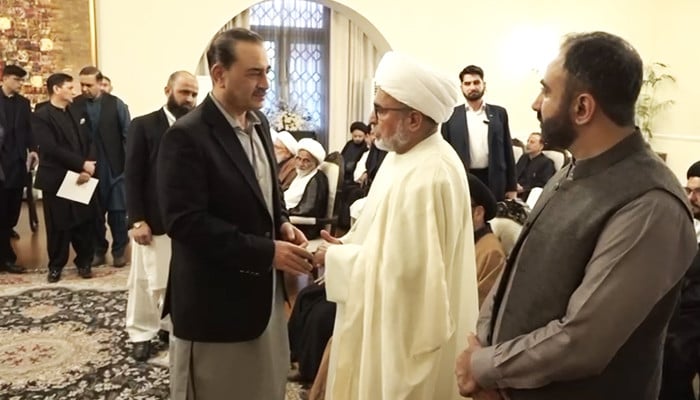
Chief of Defence Forces (CDF) Field Marshal Asim Munir has declared that violence in Pakistan, instigated by incidents occurring in other countries, “will not be tolerated.” The powerful military leader issued the stark warning during a high-level meeting with religious scholars, or ulema, from the Ahl-e-Tasheeh community in Rawalpindi on Wednesday.
Role of Religious Leaders in Countering Extremism
According to a statement from the military’s media wing, the Inter-Services Public Relations (ISPR), the meeting focused on national security and the critical role of religious scholars in promoting societal harmony. Field Marshal Munir, who also serves as the Chief of Army Staff (COAS), underscored the ulema’s vital function in fostering unity, tolerance, and national cohesion.
“He emphasised the critical role of ulema to strengthen unity and counter extremism, reiterating that religious sentiments must not be exploited to incite violence in the country,” the ISPR statement read.
Scholars Pledge Support for Stability
The participating religious leaders expressed their unequivocal desire for peace and stability, condemning violence in the name of religion. The ISPR noted that the scholars “expressed wholehearted support to law enforcement agencies in bringing about peace and stability in the country.”
Firm Stance on Cross-Border Terrorism
The army chief also addressed regional security concerns, briefing the scholars on Pakistan’s diplomatic efforts to seek de-escalation. He delivered a pointed message regarding Afghanistan, reiterating that Pakistan “will not tolerate the use of Afghan soil for the conduct of terrorism against our people.”
Referring to the ongoing military campaign, Operation Ghazab lil-Haq, Munir reaffirmed the resolve to eliminate terrorists and their infrastructure “wherever they may be, through precise, intelligence-based operations.” He emphasized that the Afghan Taliban must prevent their territory from being used for attacks against Pakistan.
The meeting signals a continued effort by Pakistan’s military establishment to rally domestic religious support against sectarian narratives and externally sponsored destabilization, while firmly drawing a red line against violence spilling over from foreign conflicts.